A massive pit unearthed by an amateur astronomer in Quebec has been validated as a 390 million-year-old meteor impact crater. Initially spotted on Google Maps by Joël Lapointe, who was scouting for camping trails, the feature, approximately 25 kilometers (15.5 miles) in diameter, sparked curiosity with its distinctive ring shape. This distinctive form sets it apart from a mere depression in the earth, marking a significant geological find that invites further investigation.
The Discovery Process
Lapointe reached out to French geophysicist Pierre Rochette, whose expertise would prove essential. Rochette quickly recognized the potential impact origin based on the unique surrounding geography of the site. Initial analyses of soil samples revealed the presence of zircon, a mineral often associated with meteorite impacts. However, the mere presence of this mineral couldn’t confirm the crater's extraterrestrial causation; definitive proof would require a more comprehensive examination.
To ascertain the crater's origin, a team of scientists was assembled to examine the site more closely. This process reflects the collaborative nature of modern geological studies, where input from various experts can illuminate hidden features of our planet. Gordon Osinski, a professor of planetary geology at Western University, became a key figure in this effort. He pointed out that establishing evidence of shock metamorphism is vital. This phenomenon results from the immense pressure created by meteoric impacts and can alter mineral structures dramatically.
“Most of these features are microscopic, so you can only confirm in the lab with samples,” Osinski shared, highlighting the necessity for meticulous laboratory work even while conducting field research. Yet surface-level verification is equally important; the researchers sought shatter cones, which are visible grooves in rock formations created by shockwaves associated with impacts. These cones serve as tangible evidence of the violent forces at play during the impact event.
Challenges of Field Research
In October 2025, Osinski and his geological team embarked on a challenging expedition to evaluate the site. "This was one of the most arduous expeditions I’ve ever done,” Osinski remarked, recalling the difficulties they faced. The terrain was incredibly rough and rugged, making the journey not just exhausting but dangerous. If you’re working in this space, you know how unpredictable fieldwork can be—weather conditions, equipment failures, and wildlife encounters often complicate research. Plus, there were lots of bugs. Sometimes, it's the little things that can wear you down the most.
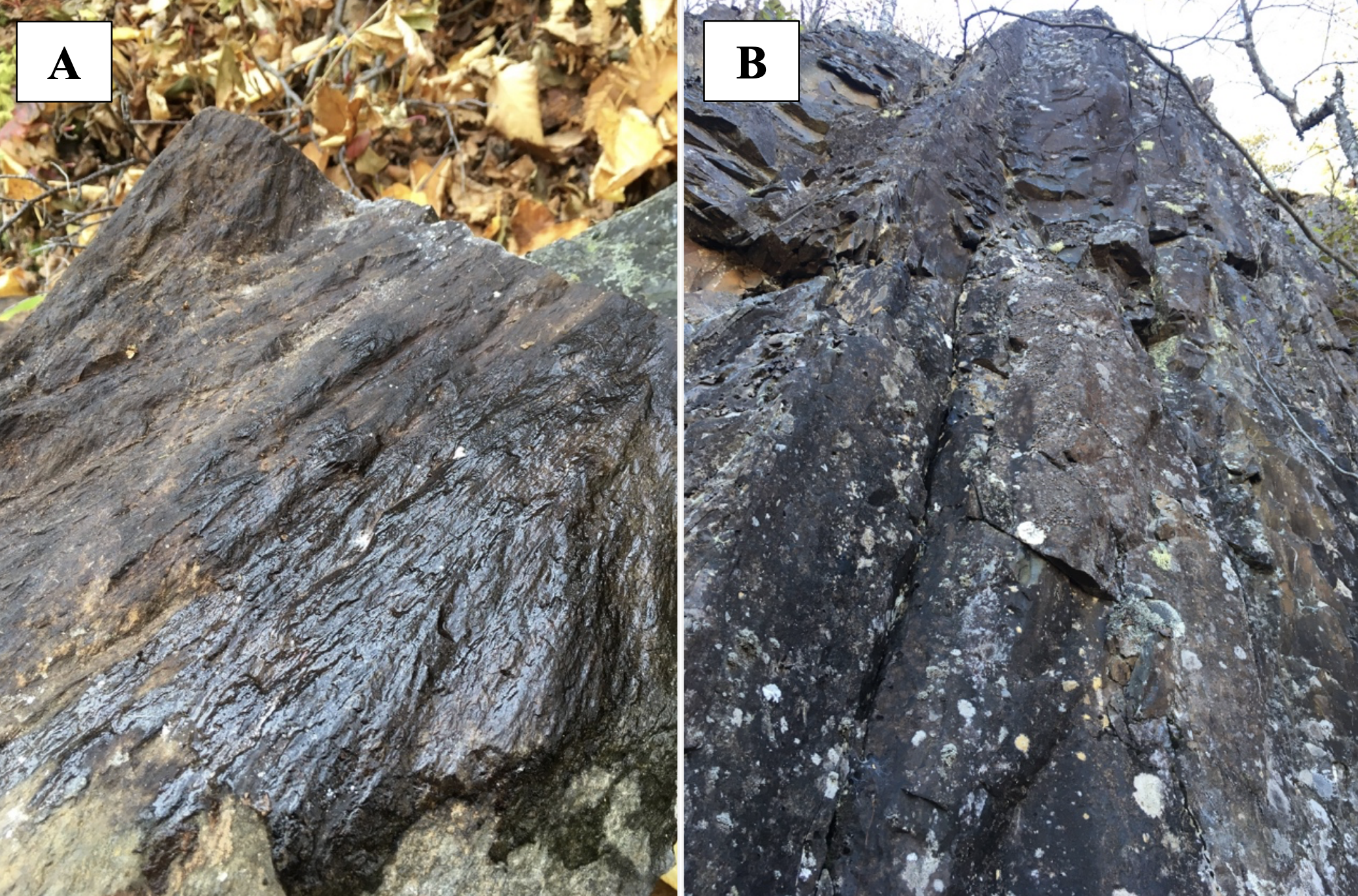
Ultimately, the team’s efforts paid off; they discovered shatter cones and large cliffs of impact melt rock, a type of rock that forms under the intense heat generated by a meteor strike. Osinski elaborated on the implications of these finds: “You can melt literally tens of cubic kilometers of the Earth’s crust when a sufficiently large asteroid strikes.” This highlights how impactful events can reshape not just the immediate area but potentially have far-reaching effects on Earth’s geology.
The Significance of the Find
After obtaining rock samples, the team dated the crater back to 390 million years ago. This timing is significant for geological records. The discovery stands out, especially since around 200 impact craters are documented worldwide, with only 31 located in Canada. “Typically about one or two craters are discovered per year, but these are usually less than 5-10 km [3 to 6 miles] in size,” Osinski noted. An impact crater of this magnitude is a notable find, especially considering the geological context. Larger craters often hold more information about the Earth's history and the dynamics of its surface.
Respecting Indigenous Knowledge
The discovery led Osinski, Rochette, and their colleagues to name the newly confirmed Uhaachatik Crater, engaging with the Ekuanitshit Innu council to honor local Indigenous ties. This act not only recognizes the historical relationship that Indigenous communities have with the land but also opens avenues for collaboration in research. As we increasingly understand the value of traditional knowledge, integrating scientific inquiry with Indigenous perspectives can provide a richer understanding of geological phenomena.
Osinski runs a website, Impact Earth, dedicated to verifying meteor impact sites. He frequently receives inquiries about unusual satellite imagery from the public. “I get lots of messages from the public thinking they have found a crater,” he noted, “and 99 out of 100 turn out not to be the case. This is one of those rare examples that shows this is possible.” Such interactions underscore the curious nature of everyday people and the potential for citizen science to contribute to significant discoveries.
The Future of Impact Research
The research team is set to present their findings at the upcoming Annual Meeting of the Meteorological Society in Germany. This spotlight could have implications for future research funding, collaboration, and even media attention in the geosciences. As Lapointe expressed his delight at the confirmation of the crater, he also encouraged the public to trust their observations outside conventional science. “It’s not every day that an ordinary citizen finds a 390 million-year-old crater,” he said, reminding us that exploration and discovery can come from unexpected sources.
Continuing their research, Osinski and the team plan to analyze the collected samples to gain further insight into the impact site. “Any crater discovered offers us insight into how craters form and the effects they can have on Earth’s geology, biology, and climate,” he concluded. This statement encapsulates the broader significance of such discoveries. The ongoing research will not only deepen our understanding of past events but also inform how we might prepare for future impacts. As technology advances and our analytical methods improve, the integration of traditional geological studies with modern techniques may yield insights that reshape our knowledge of Earth’s history and its future.


