In a remarkable archaeological find, researchers in Spain have unearthed a 2,400-year-old bronze chariot, a significant artifact believed to have been used for divine offerings. This chariot, discovered at the site of Casas del Turuñuelo in Badajoz province, may also provide insights into the enigmatic society that once inhabited the region.
Unpacking the Chariot's Design
The chariot measures approximately 24 inches long (60 centimeters) and features a flat, table-like surface designed for burning incense as offerings to deities. This design element is not just stylistic; it reflects the rituals and beliefs prevalent in the society that created it. Incense in ancient cultures was often a means to communicate with the divine, suggesting this chariot held a pivotal role in spiritual ceremonies. Its very shape and function tell us about the importance of ritual in daily life.
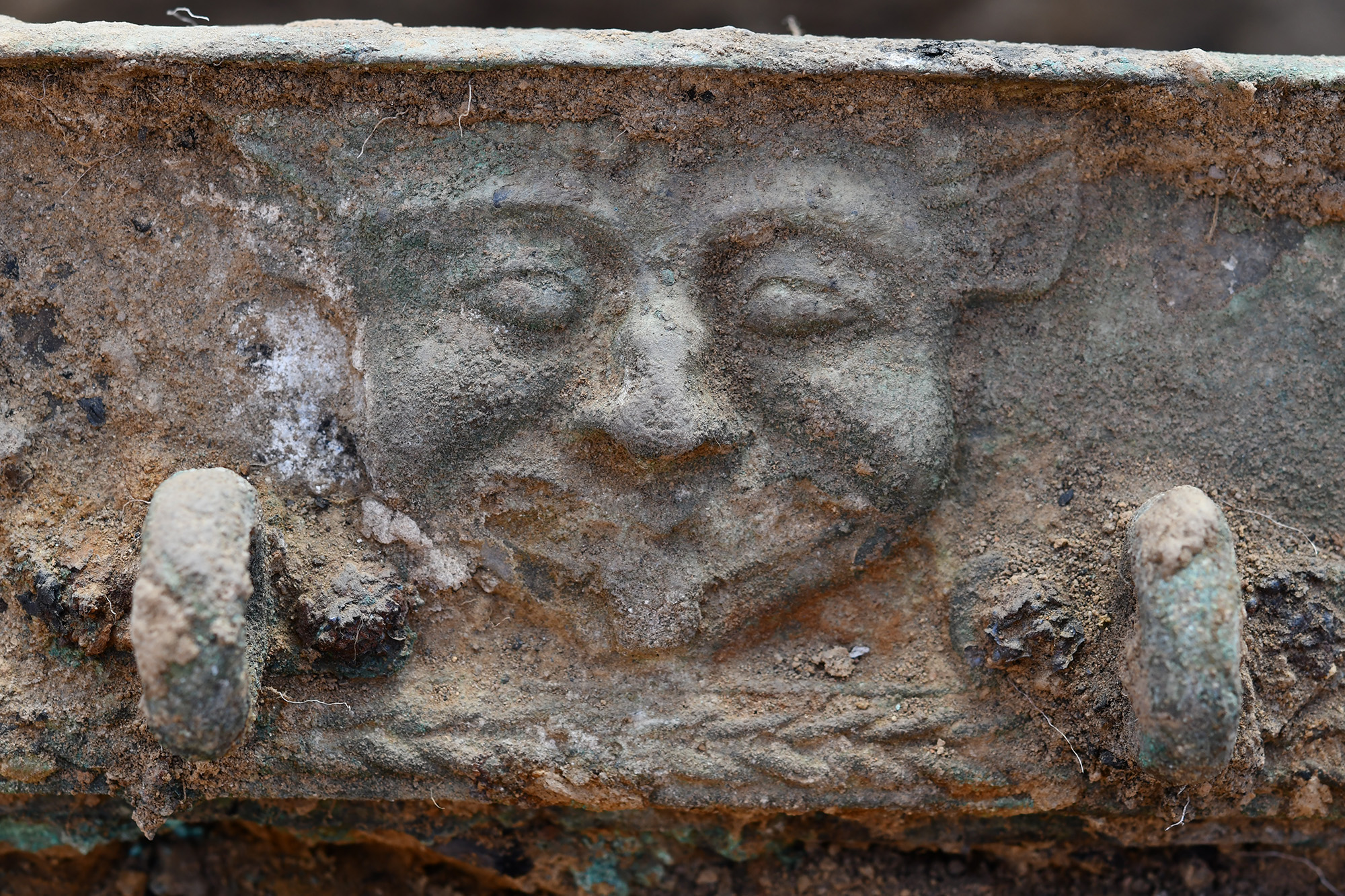
Unique to this discovery is the depiction of a face protruding from the side of the chariot, which appears to blend characteristics of a gorgon—a protective symbol often associated with Medusa—and Achelous, a river god in Greek mythology known for his shapeshifting abilities. Guiomar Pulido González, an archaeologist at the Mérida Institute of Archaeology, noted that the chariot's design is "without known parallels" in the Iberian Peninsula. The blending of these motifs suggests a rich tapestry of cultural influences, perhaps reflecting interactions with neighboring civilizations.
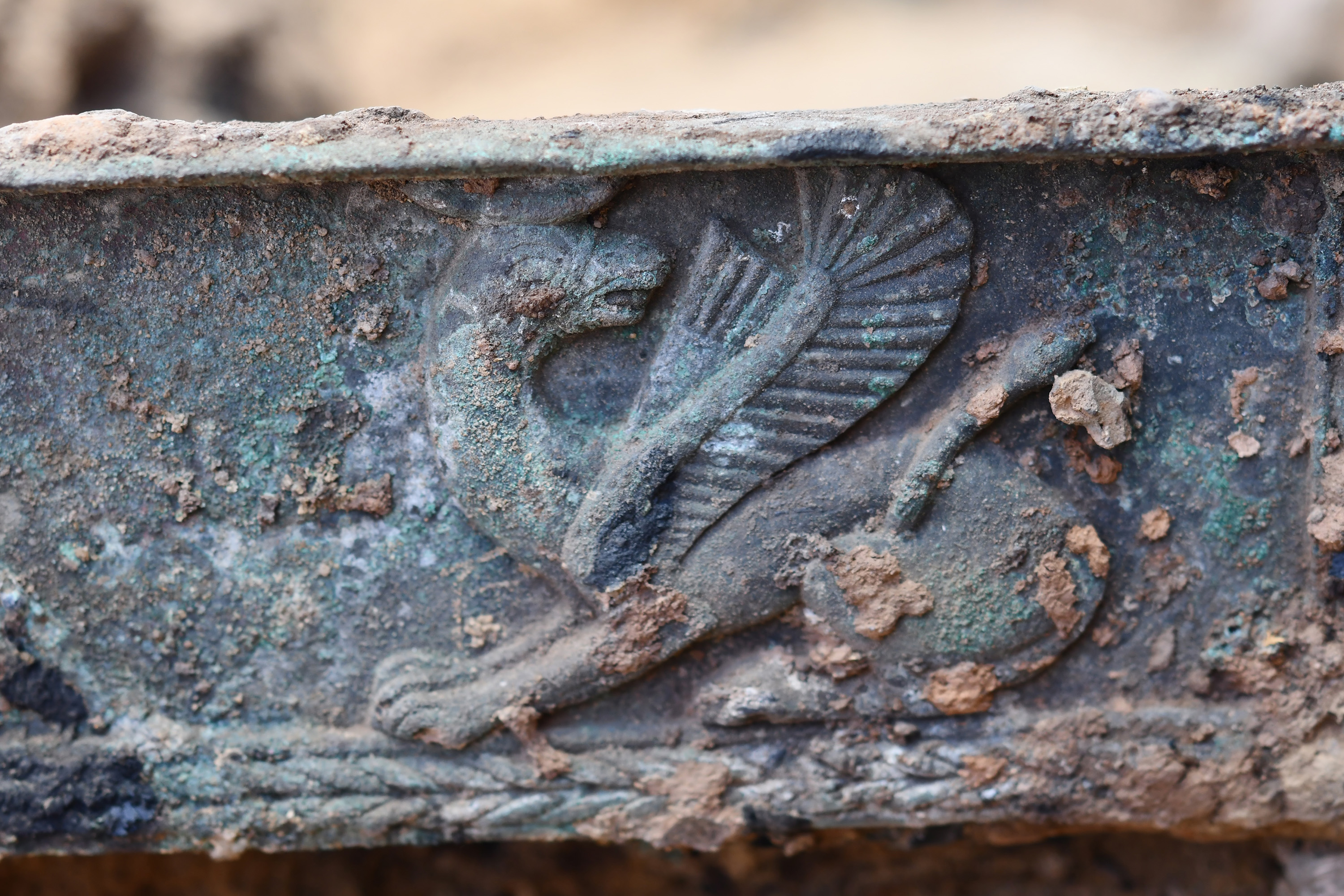
Interestingly, both short sides of the chariot are adorned with a mythological creature known as a griffin, further indicating its connection to protection and divinity. Pulido commented on these motifs, pointing out their potential purpose to safeguard the chariot's contents or viewers alike. This kind of symbolism is common in ancient artifacts, highlighting a deep-rooted belief in protective spirits or deities watching over both the items and the people involved in the rituals. The intricate artistry indicates the skill and sophistication of the craftsmen, aligning with traditions of ornate craftsmanship in ancient societies.
A Link to the Etruscans
The link to the Etruscans, pre-Roman inhabitants of Italy, becomes evident with this newly discovered artifact. Similar bronze chariots have been connected with this group, but this particular piece is distinguished by its hybrid imagery of a gorgon and Achelous, marking it as unique in both design and cultural significance. The inclusion of styles or motifs uncommon in Etruscan art suggests that either the artisans copied and adapted designs or that trade routes influenced local artists in their creations. That said, the presence of skirts on the chariot's supporting figures was unexpected—since Etruscan sculptures typically depict figures nude. This detail could illuminate regional variations or influences in style as the chariot made its way through the Mediterranean trade networks into modern-day Spain.
An Enigmatic Culture
Casas del Turuñuelo is part of the Middle Guadiana River Valley, an area rich in archaeological intrigue with 14 known sites tied to a society that vanished around 400 B.C. These sites bear the remnants of burned structures that were meticulously filled in with soil, hinting at a possibly ritualistic act of abandonment. Pulido observed that the distinctive pattern of burning and debris filling points to a deliberate closure rather than the aftermath of an attack. This suggests not just a physical abandonment, but also a cultural or spiritual shift that led these people to intentionally seal away their past.
The region is thought to be linked to the Tartessian civilization, which flourished starting in the eighth century B.C. Renowned for their complex writing systems and cultural achievements, the Tartessians perhaps engaged in extensive trade networks across the Mediterranean, as indicated by artifacts unearthed throughout the valley. Their innovation and craftsmanship reflect a society that was not only skilled in trade but also steeped in rich traditions that connected them to other cultures.
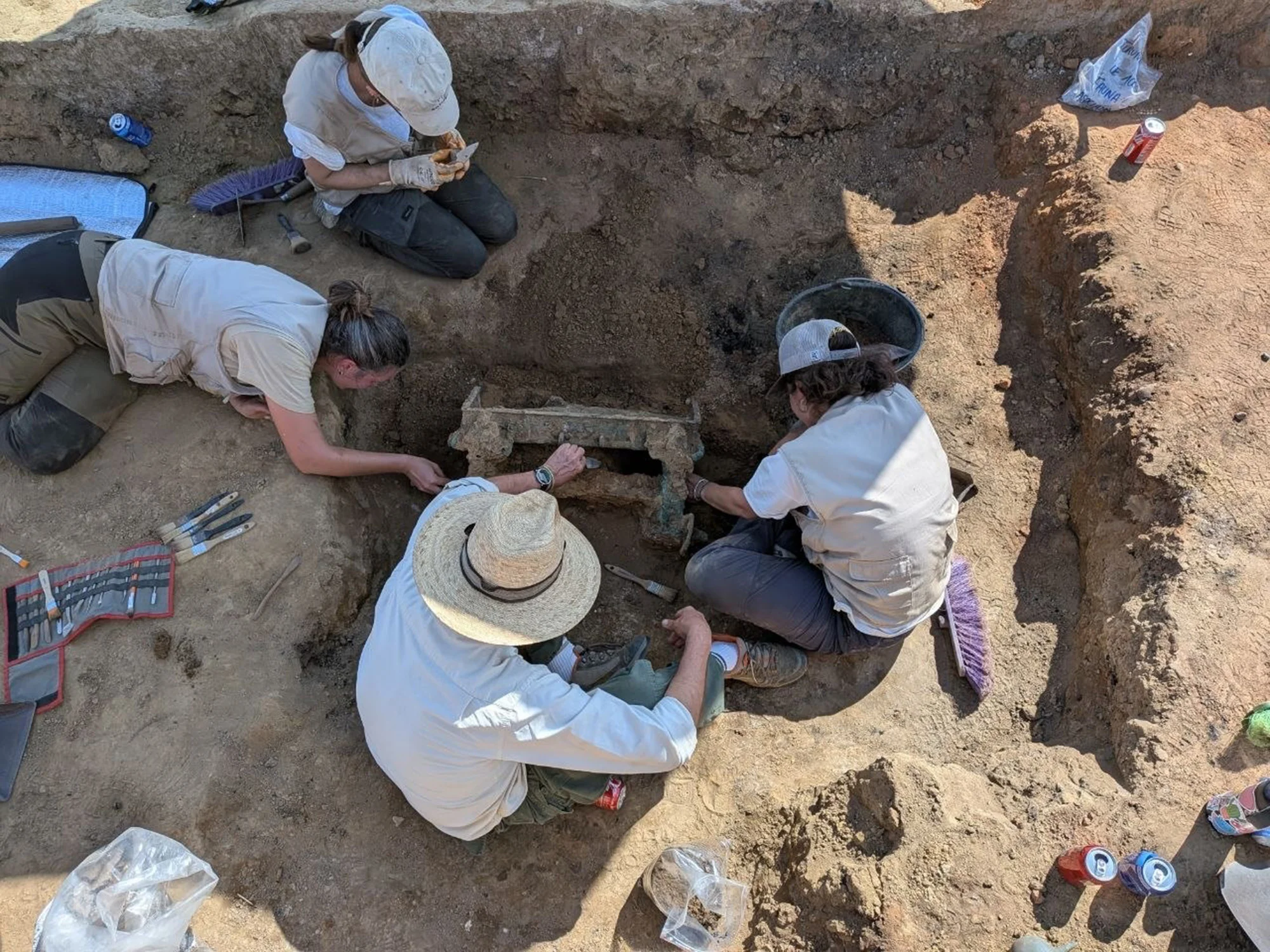
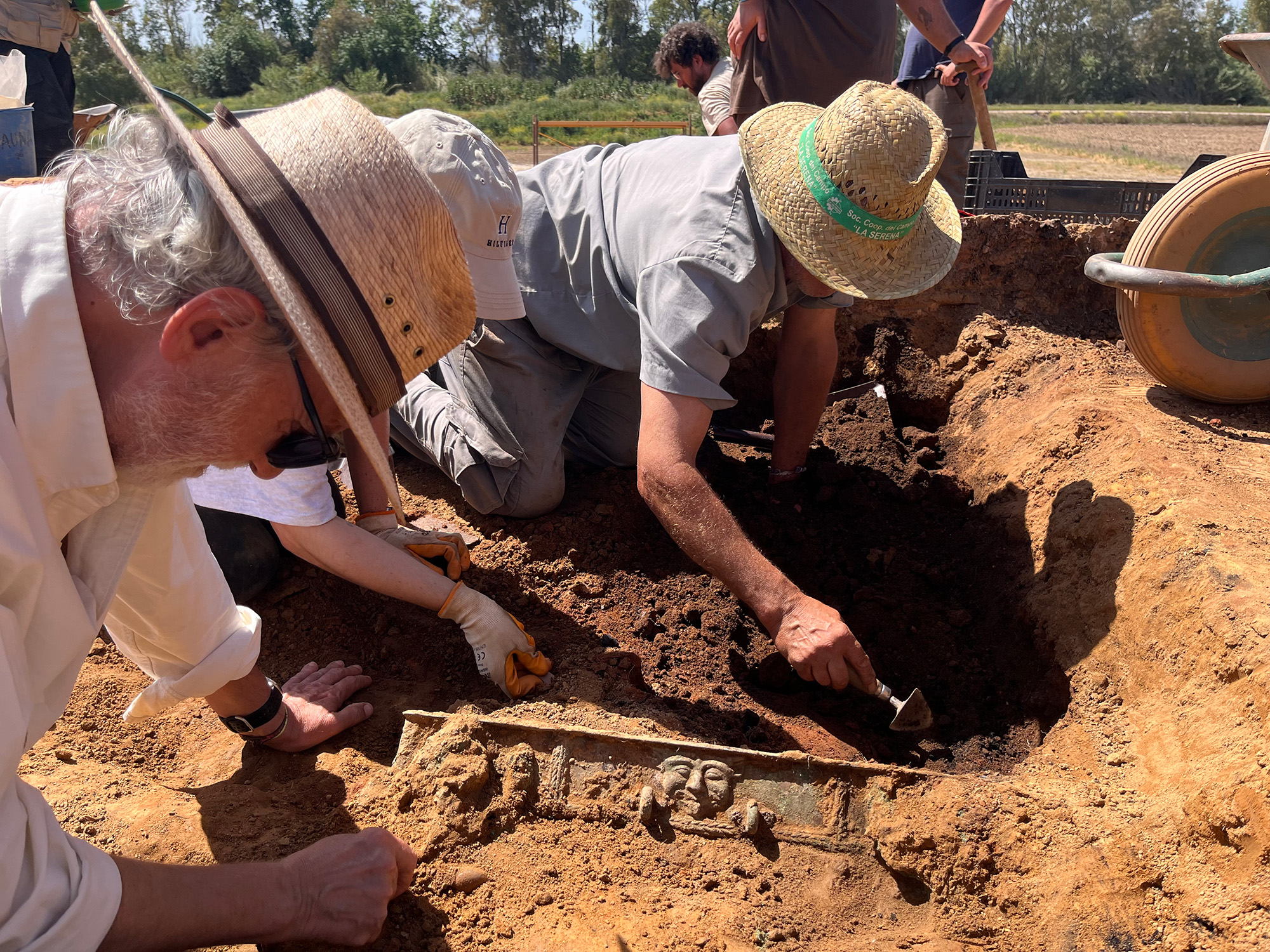
This chariot's intentional breakage, without signs of violent damage, adds another layer of intrigue. As Pulido suggests, its fragmented state alongside the burnt remnants could reflect a ritualistic decommissioning of both the artifact and the structures around it. This isn't something that's easily explained; such actions may reveal the beliefs and practices of a people who ritualized their discard practices. The area, while yielding fascinating finds, also prompts questions about the identity of its former inhabitants and their sudden disappearance from historical records. Could there have been external pressures leading to their end? What transformed a thriving civilization into one lost to time?
Significance and Future Implications
The discovery of this bronze chariot is more significant than it looks. It raises vital questions about cultural exchange in ancient times, hinting at deeper connections between the Tartessians and surrounding civilizations like the Etruscans. As archaeologists continue their investigations, we may find more artifacts that illuminate this period, potentially reshaping our understanding of ancient trade networks. The analysis of this artifact and its context could lead to broader insights about how societies interacted, adapted, and ultimately transformed over time.
If you're working in this space, you might appreciate how this chariot exemplifies the intersection of art, ritual, and daily life in ancient cultures. The layers of meaning embedded in its design speak volumes about societal values and beliefs. The ongoing study of such artifacts not only enhances our knowledge of history but also invites us to consider how past societies might still resonate with contemporary practices and cultural identities.


