This year's El Niño could be poised to break records, with analyses indicating a staggering 90% probability that it will surpass all previous instances. According to climate expert Zeke Hausfather, a research scientist from Berkeley Earth, forecasts suggest that by the end of 2026, sea surface temperatures in the Pacific may rise by up to 3.6 degrees Celsius (6.5 degrees Fahrenheit) above average.
As the warm phase of a multiyear natural climate pattern, El Niño significantly influences global temperatures and weather. Its resurgence is linked to an already warming planet, which raises concerns about extreme weather events—from torrential floods to severe droughts. Although the exact implications won't be fully realized until the pattern peaks, expected intensifications over the coming months warrant careful preparation, especially for at-risk regions.
The World Meteorological Organization indicates that the event, officially recognized on June 11, is rapidly developing into a strong El Niño, with over an 80% chance of reaching very strong conditions by year's end. This positioning among historic occurrences is underscored by increasing model agreement and data trends.
"These forecasts are striking," emphasizes Emily Black, a professor at the University of Reading and senior scientist at the National Centre for Atmospheric Science in the UK. "While uncertainty surrounds all El Niño predictions, the current data suggests we cannot afford to overlook the implications." Black further warns of the significant risks faced by communities in the Global South, where livelihoods may be severely threatened.
Could This Be the Strongest El Niño Ever?
Hausfather notes that current models indicate a nearly 90% chance that this El Niño event will surpass previous records. Particularly, analysis of July forecasts from 667 ensemble members reveals that this year's El Niño may not just threaten the historical record, but could exceed it dramatically.
The National Oceanic and Atmospheric Administration (NOAA) asserts El Niño conditions begin when there's an increase of at least 0.5 C (0.9 F) above the historical average in the eastern tropical Pacific. As the waters warm, they impact atmospheric conditions, often leading to brighter and warmer conditions across various regions. Notably, this year's indications point to a warming of over 2 C above average, with some forecasts suggesting it might even reach beyond 3.5 C (6.3 F).
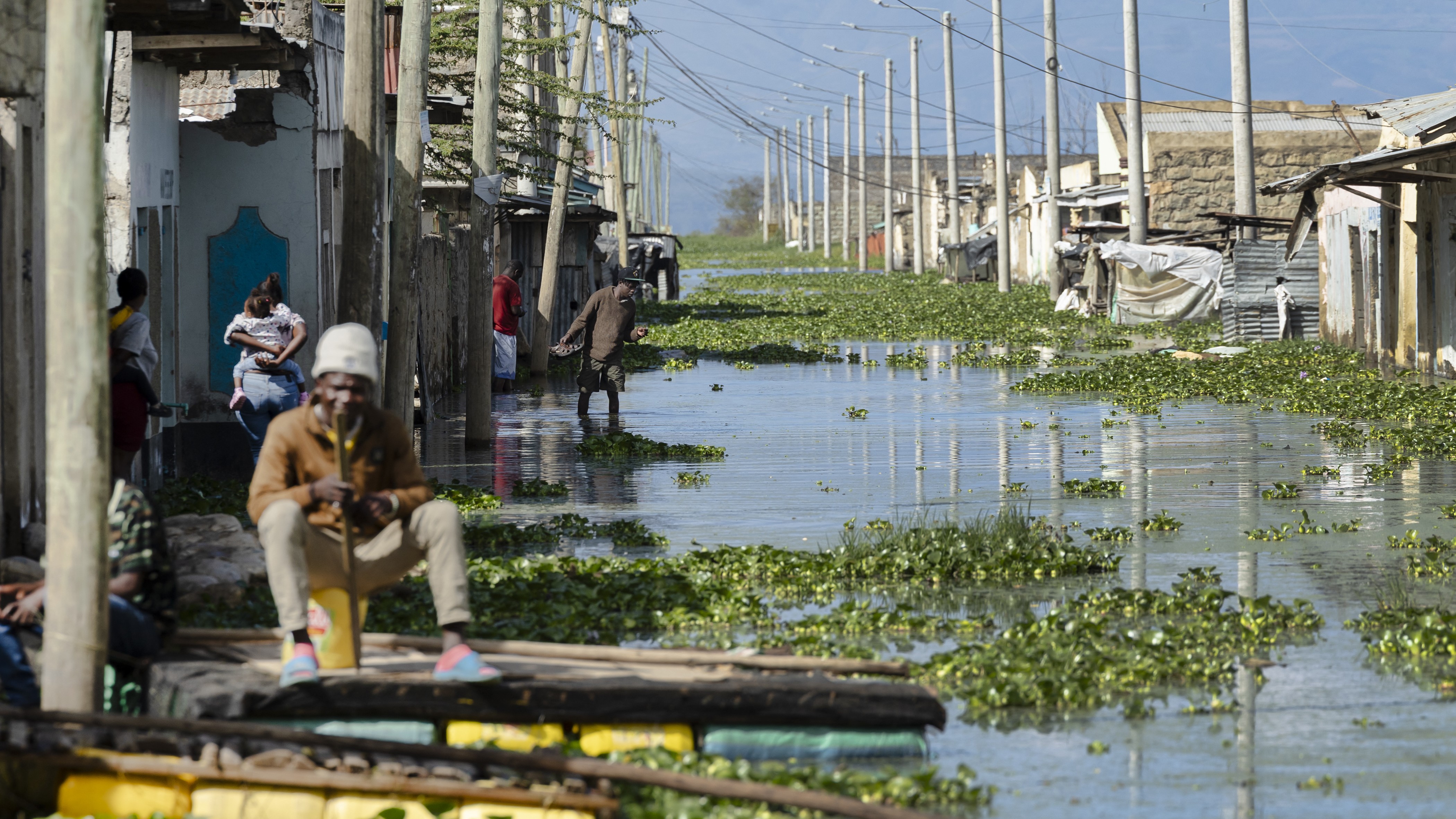
Looking at the historical context, the 2015-2016 El Niño produced unprecedented temperature levels, and predictions indicate that this current event may mirror or surpass that experience. Black, cautioning against taking models at face value, acknowledges the historical backdrop of these predictions. "It's plausible that we could see a record-breaking event, but one should approach these forecasts carefully," she asserts.
Understanding the Potential Impacts
Historically, severe El Niño episodes have resulted in wide-ranging disasters. The 2015-2016 event led to disastrous hurricanes and stark drought conditions across multiple regions. The current forecasts indicate we could witness similar—or even more extreme—consequences this year, on par with the notable super El Niño of 1877-1878, which contributed to a global famine affecting over 50 million people.
This ongoing situation reflects how environmental factors intertwine with socioeconomic conditions. Despite advancements in global systems, experts warn a potentially supercharged El Niño holds the potential to wreak havoc on food systems, exacerbating issues already felt due to climate change.
The El Niño cycle not only features warming phases but also ushers in colder La Niña phases over periods spanning two to seven years. Looking ahead, predictions indicate that 2026 may emerge as one of the hottest years on record, with the likely effects of the intensifying El Niño contributing significantly to this reality.
The impacts of such weather phenomena are paramount. While the strength of a given El Niño event is often associated with its influence, the actual consequences on global systems are what truly counts. Black emphasizes, "Even a strong El Niño that doesn't quite set records can still pose significant threats. These warnings provide an essential window for planning and addressing potential impacts before they manifest."