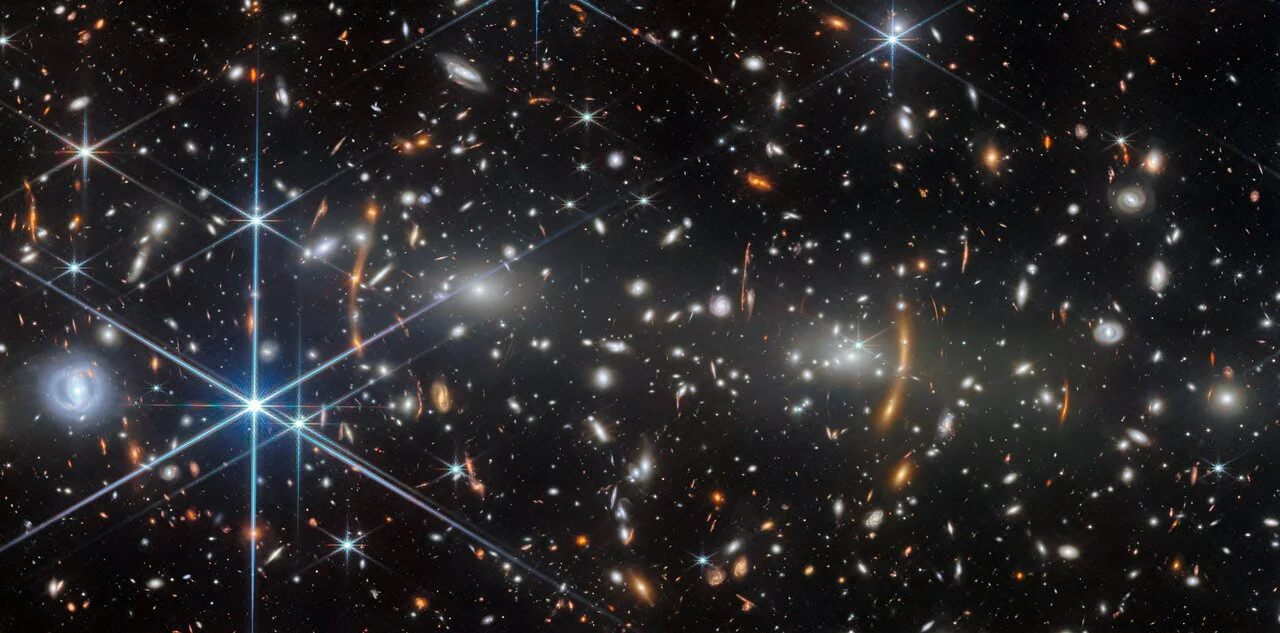
The latest observations from the James Webb Space Telescope (JWST) shine a spotlight on the colossal galaxy cluster MACS J0553.4-3342, situated in the constellation Columba. This remarkable image showcases the consequences of gravitational lensing, a phenomenon first predicted by Albert Einstein over a century ago. Einstein proposed that massive celestial bodies warp the fabric of space, bending light from distant sources and rendering them more visible than they would otherwise appear. This theory fundamentally reshaped our understanding of gravity and light, serving as a cornerstone for modern astrophysics.
Insights from the Core of MACS J0553.4-3342
In this newly released image, JWST captures two prominent elliptical galaxies at the core of MACS J0553.4-3342, surrounded by smaller galactic clusters. These beacons of light not only define the gravitational center of this agitated cluster but also depict a real cosmic struggle; astronomers have identified evidence of an ongoing merger between these two gigantic entities. Currently, they sit about a million light-years apart, having previously collided and showcasing the chaotic nature of their interaction. This merger process is essential for understanding how larger galaxies are formed. It’s where the real action happens, leading to the creation of new stars and the redistribution of galactic material, further complicating our image of cosmic evolution.
Gravitational Lensing: A Window to the Early Universe
What truly captivates in this image, however, are the stunning arcs of orange light flanking the cluster. These shapes are the result of gravitational lensing, which allows JWST to detect light from galaxies that formed less than a billion years after the Big Bang. The bright spots within these arcs aren’t just random; instead, they represent multiple images of the same distant galaxy, distorted by the immense gravitational effects of the cluster. It’s a spectacular display, particularly for astronomers hoping to peer deeper into cosmic history.
ESA’s recent statements clarify that these elongated streaks effectively serve as windows into portions of the universe that would otherwise remain concealed. Observations such as these not only enable astronomers to study the distant past but also challenge existing cosmological models. The data coming from JWST suggests that some of the earliest stars and galaxies may have grown larger and more rapidly than current theories can explain. This raises vital questions about star formation and the conditions of the early universe. Are we on the brink of a major revision in how we perceive cosmic timelines?
Future Research Implications
This interplay between gravitational lensing and galaxy formation is likely to keep researchers occupied for years, as each new image captured by JWST could inform our understanding of cosmic evolution and the fundamental structure of the universe. As astronomers continue to analyze this data, the implications for our comprehension of dark matter and dark energy become increasingly profound. If these ancient galaxies truly formed under previously unknown circumstances, it could lead to a paradigm shift in our current understanding of the cosmos.
If you're working in this space, it's essential to remain acutely aware of how these findings could alter theoretical frameworks. The implications of these observations extend beyond mere academic curiosity; they can redefine our grasp of physics itself. With each passing observation, we might be inching closer to resolving long-standing astronomical mysteries, like the distribution of matter in the universe and the role of dark energy in cosmic expansion.
And yet, with every exciting revelation, skepticism must remain. In an era where data can be interpreted in multiple ways, the scientific community must rigorously test and validate these findings. After all, while the JWST offers unprecedented views into the universe, interpreting those views requires caution. The excitement surrounding such discoveries shouldn't overshadow the need for balanced analysis aimed at deriving accurate conclusions.
Looking Ahead
As the JWST continues its observations, the scientific community eagerly awaits the capabilities that lie ahead. Future images and data could not only expose previously unseen celestial objects but also refine our understanding of the fundamental laws of physics. The excitement around the JWST is palpable, but it’s the future implications of this research that truly deserve your attention. That's the part most people overlook. This telescope is more than a scientific instrument; it’s a bridge to understanding our universe's origins and eventual fate.
See more space photos of the week:
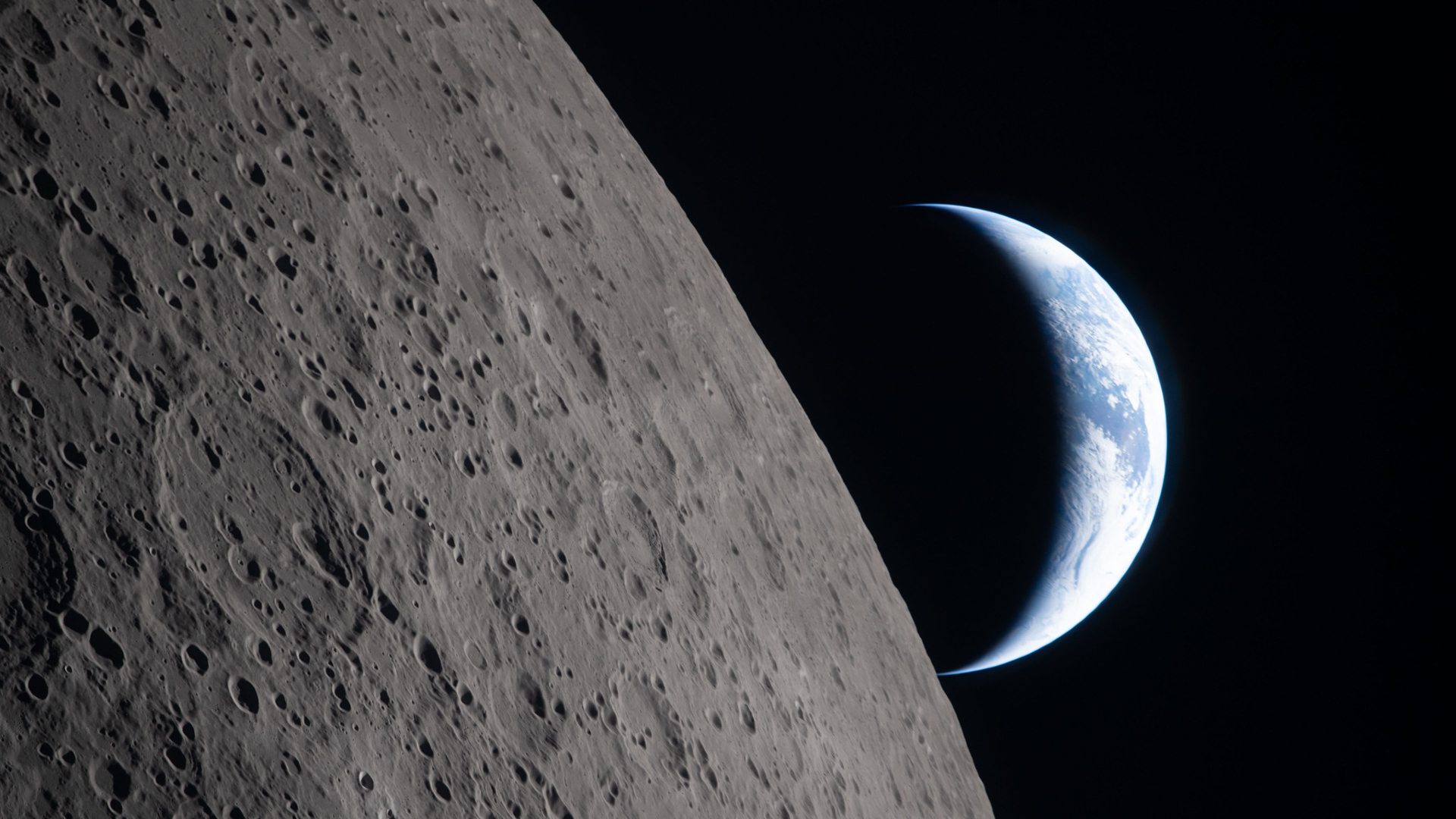 'Human minds should not go through this'
The Artemis II crew recalls the unreal moment when Earth disappeared
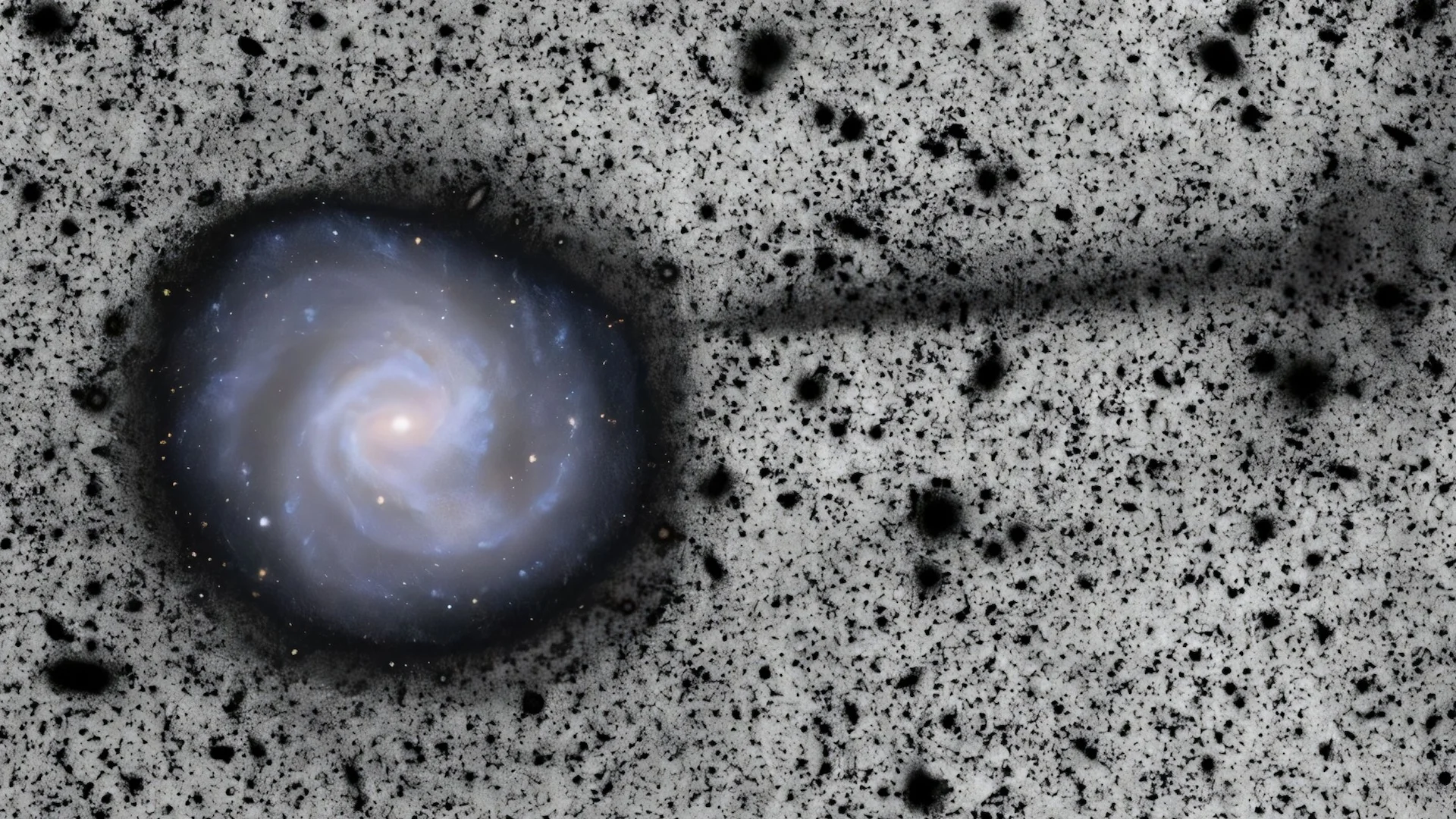 Hidden structure in 1st Vera Rubin image
First-light images from the Vera C. Rubin Observatory reveal a 163,000-light-year stream of stars emanating from a nearby galaxy.
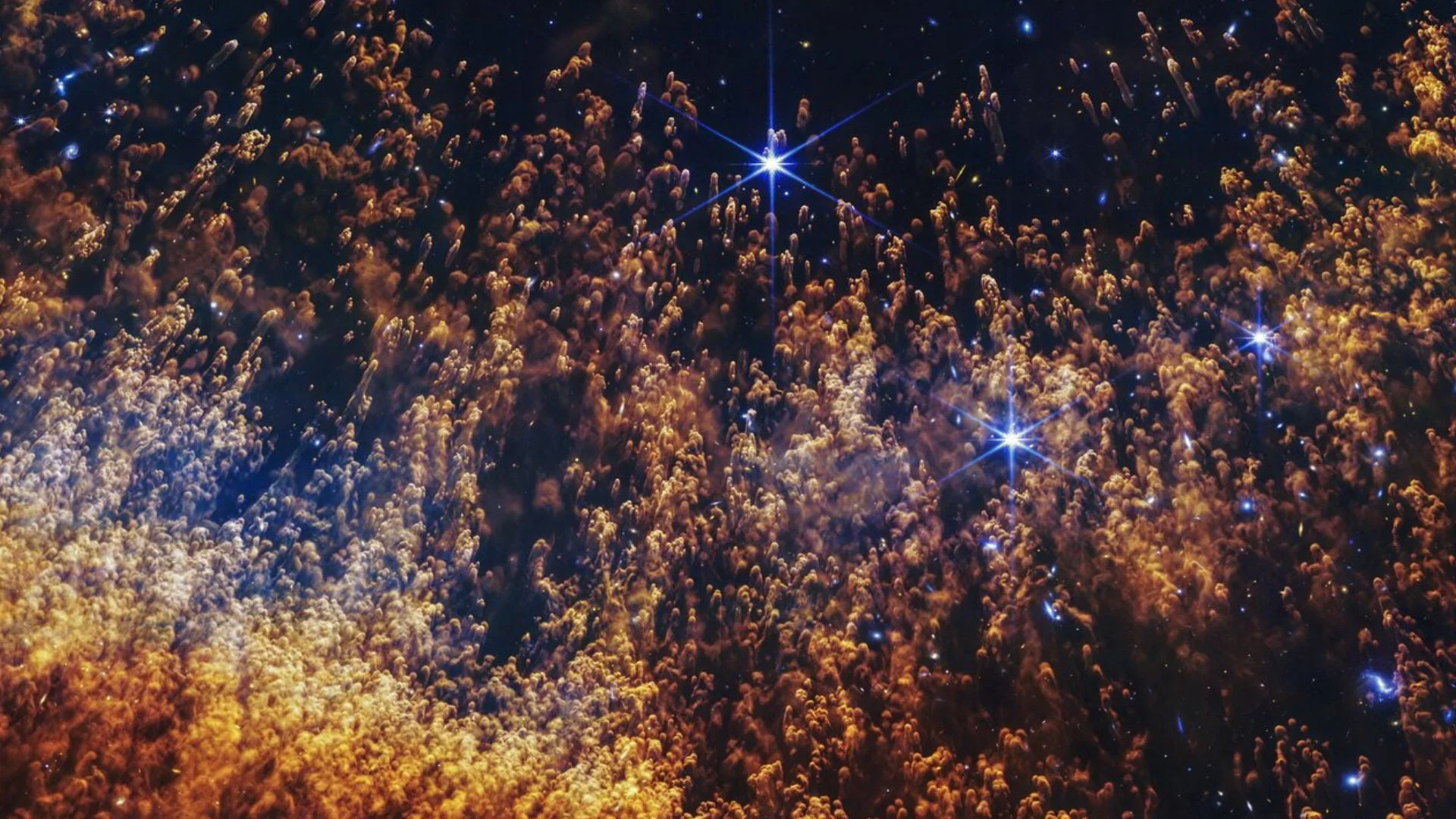 JWST peeps the 'Eye of God'
A spectacular James Webb telescope image reveals intricate structures inside the Helix Nebula.


