In a remarkable archaeological find, researchers have unearthed a medieval wild-boar tusk believed to have been used as a good-luck charm by a warrior or noble in Russia. This unique artifact, discovered in Novgorod the Great, dates back to the mid-12th to early 13th century, shedding light on medieval beliefs and practices that shaped the lives of the elite.
Significance of the Artifact
The tusk, measuring 3.9 inches in length and 1.1 inches at its widest, is notable not just for its size, but also for its preservation. Natalia Eniosova, a co-author of the study and metal scientist at Lomonosov Moscow State University, emphasized its significance in her analysis. "It's extraordinary because of its size," she pointed out, underscoring how such artifacts are rare finds that can provide a wealth of historical knowledge. The wild boar, from which the tusk originated, was at least eight years old and weighed over 220 pounds, indicating it wouldn’t have been a common target for food hunting — domestic pigs were far more practical for sustenance during the period. This fact alone adds layers to our understanding of hunting practices, status, and the symbolic importance of certain animals in medieval society.
Metal Cap: A Closer Look
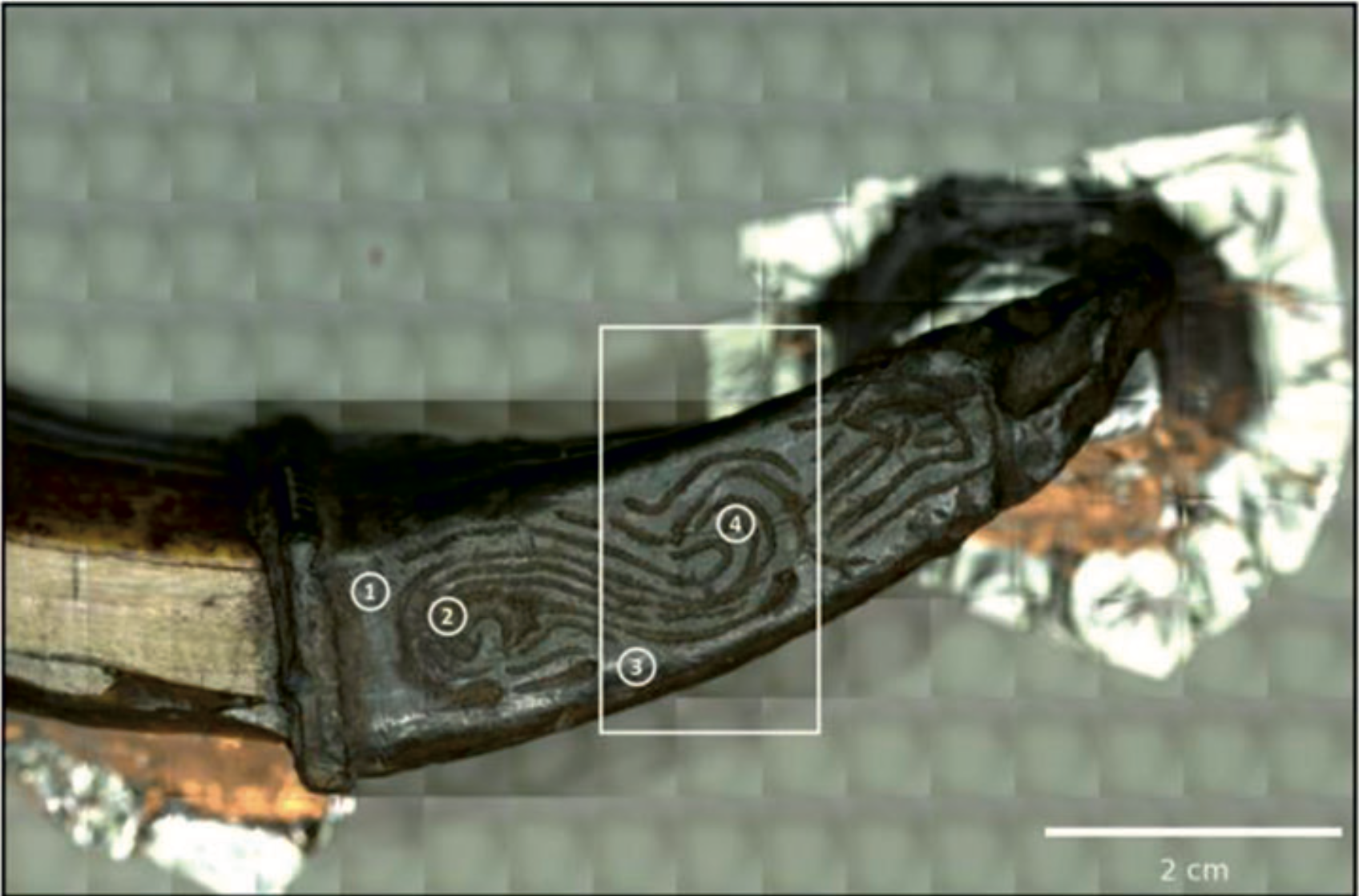
The tusk's metal cap was initially thought to be silver but was later identified as an alloy of tin and lead. Eniosova pointed out that this type of composition was rare at the time due to limited tin sources in Europe, making this find particularly valuable. The complexities involved in metallurgy during the early medieval period cannot be understated; this was a time when smithing techniques varied greatly, and the ability to create alloys was a skill not easily mastered. As such, the existence of this mounted cap reveals much about the technological capabilities and artisanal practices of the time. Similar artifacts help cement a timeline for the advancement of metalworking techniques in medieval Russia.
Craftsmanship and Symbolism
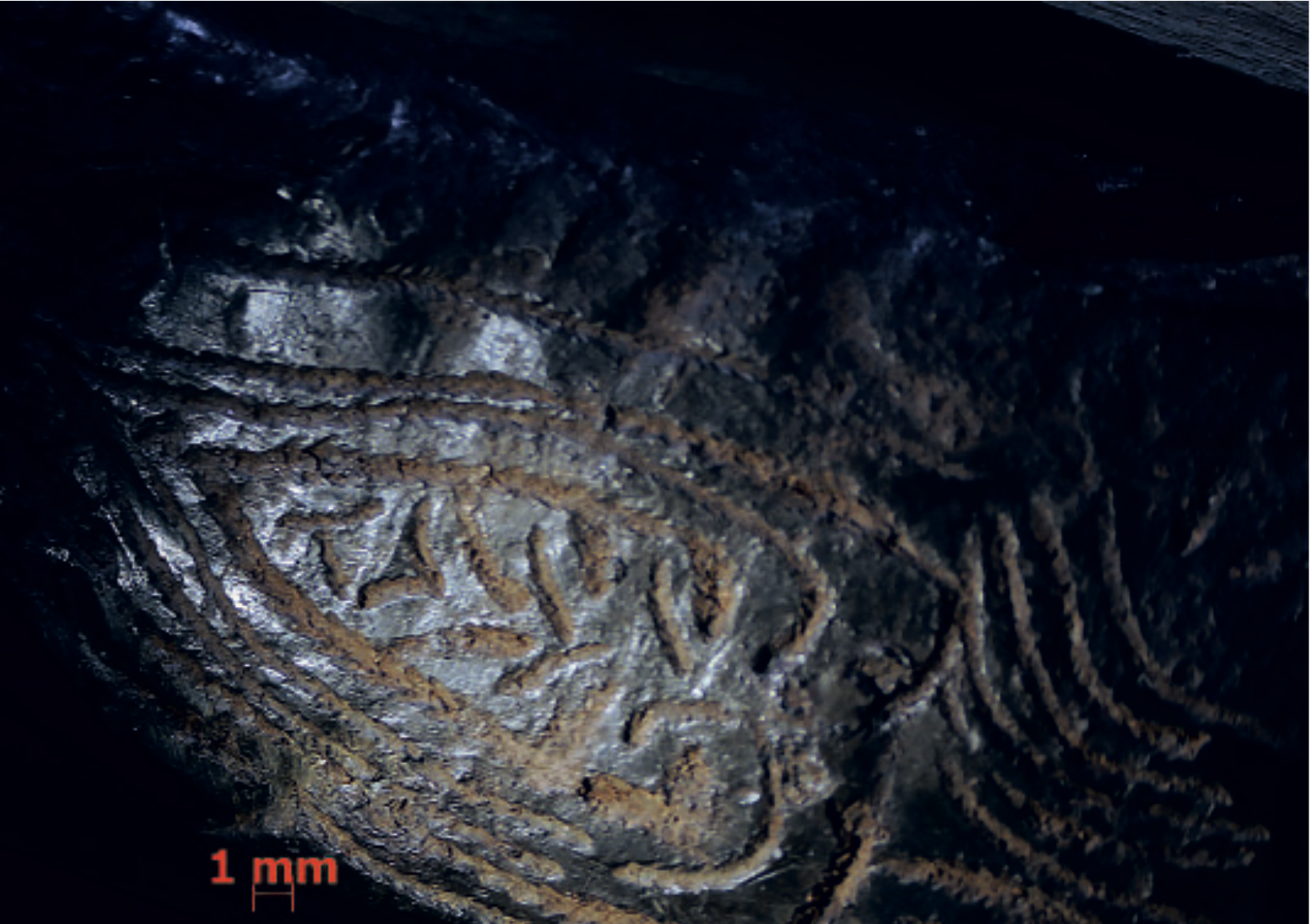
The intricate decorations on the mount showcase considerable craftsmanship. Eniosova described the ornament as "very, very well-done," highlighting its complexity. This raises questions about the methods used to engrave such a soft metal, pointing towards advanced techniques that artisans of the period may have possessed. The quality of workmanship could signify not only the skill level of artisans but also the value placed on such objects by the elite. Items like this tusk, often imbued with symbolic meanings, would serve as status symbols, potentially reinforcing social hierarchies within society.
The tusk was found in the Troitsky XVI excavation area, believed to have been occupied by affluent individuals. Eniosova posits that the object was likely a hunting trophy owned by an aristocrat or military leader. Historical records indicate that wild-boar hunting was a privilege reserved for the elite. This contextualizes the tusk, suggesting it was more than just a trophy; it represented power and prestige. Transforming the tusk into a ceremonial or practical object, such as a charm, reflects the interplay between daily life and prevailing beliefs about luck and strength.
Cultural Context and Historical Significance
Research published in the journal The Volga River Region Archaeology suggests that at least one tusk would have been extracted from the boar, intended to be kept as a charm. "It is highly probable that this mounted tusk functioned as a martial or hunting talisman," the study states, indicating its symbolic role of transferring strength to the hunter. This corresponds with findings from other archaeological sites in the region, where similar amulets were found to be popular among the elite, emphasizing the cultural significance of animal remains in the social fabric of early Rus society.
Similar amulets became rare between the late 11th and early 13th centuries despite the belief in their magical properties. Eniosova speculated that possible links to Scandinavian mythology exist, given that some of the initial settlers of Novgorod came from that region. The tusk's creation occurred long after their departure, yet echoes of those cultural underpinnings might still resonate in local traditions. It’s intriguing how heritage and beliefs intertwine; this tusk stands as a testament to cultural exchange, even among distant epochs.
Broader Implications and Future Outlook
The discovery of this boar tusk isn’t just an archaeological curiosity; it holds broader implications for our understanding of early Rus culture and its elite. Alexei Gippius, a philologist at HSE University, remarked that it sheds "new light on the origins and functioning of the mythological beliefs of the early Rus elite." Such insights help to paint a fuller picture of how social status and folklore intersected in shaping personal identities.
Novgorod has long been recognized as a key trading hub and cultural center in early medieval Russia, with historical records dating back to the ninth century. This latest find adds depth to the narrative of Novgorod not simply as a marketplace but as a crucible of beliefs, power dynamics, and craftsmanship. If you're working in this space, understanding artifacts like this tusk can provide crucial context in interpreting social behaviors and cultural values of the past.
The fact that this tusk bears both functionality as an amulet and artistry as a crafted object highlights a duality in ancient societies—a merging of the practical and the spiritual. It’s a glimpse into a world where everyday existence was intertwined with mythological significance, offering lessons that remain relevant even in contemporary discussions about material culture and belief systems.


