A faster route to rental dispute resolution faces an early test
Victoria’s Rental Dispute Resolution Victoria (RDRV) was designed to keep rental disputes from getting bogged down at the state tribunal. Yet renters and real estate agents are reporting waits of eight weeks or more for a mediator, raising questions about whether the service can keep pace with demand.
Launched in June 2025, RDRV handles disputes over bonds, compensation, rent and repairs through informal mediation. The service was set up with $52 million in first-year establishment and operating costs. Its workload is already growing: an October memo circulated to the real estate sector said calls to its information line were 25 per cent above forecast.
That early pressure matters because mediation is meant to be a way through a dispute, not another stage where it sits unresolved. When cases stall before they reach a mediator, renters may be left uncertain about their money, their housing arrangements or what they need to do next.
Rental Dispute Resolution Victoria launched in June 2025 to expedite cases that would usually go to VCAT. (AAP: James Ross)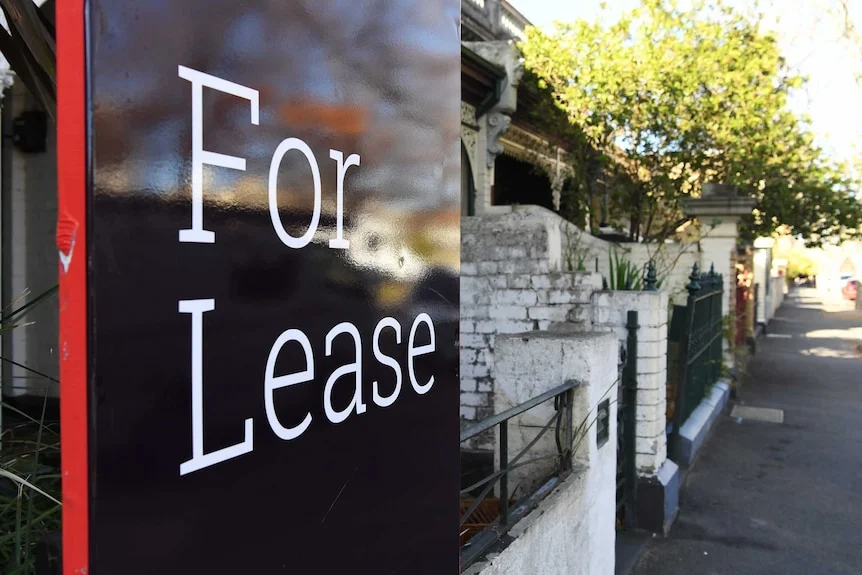
When mediation becomes another wait
Chris Little has used RDRV twice. In his latest case, his landlord sought about $800 from the bond. Little doubted mediation would resolve the dispute and asked for the matter to move to the Victorian Civil and Administrative Tribunal (VCAT).
VCAT eventually dismissed the claim and ordered the bond returned. Before the case could reach the tribunal, however, the parties waited eight weeks for an RDRV conference. “It was really eight weeks waiting just for RDRV to move the case on to VCAT,” Little said.
That sequence shows how a process intended to divert cases from a tribunal can add time when the parties don’t expect mediation to settle the issue. An early conference may help when both sides are willing to negotiate; when one side wants a formal decision, the delay can feel like a hurdle before the hearing process even begins.
His full $3,500 bond was held during the dispute. Little said the amount at stake was relatively small, but the withheld money mattered: “For the sake of $700 or $800, I couldn't see any of my bond, which I really needed.”
For a renter, the practical cost of a dispute can therefore exceed the sum being contested. The bond is money already paid and may be needed for the next move or other immediate expenses. A delay measured in weeks can carry real weight even when the disputed claim is comparatively modest.
The service offers dispute resolution in a less formal setting than a tribunal. (Rental Dispute Resolution Victoria)
Chris Little has previously told the ABC about his experiences as a long-term renter. (ABC News: Rachel Clayton)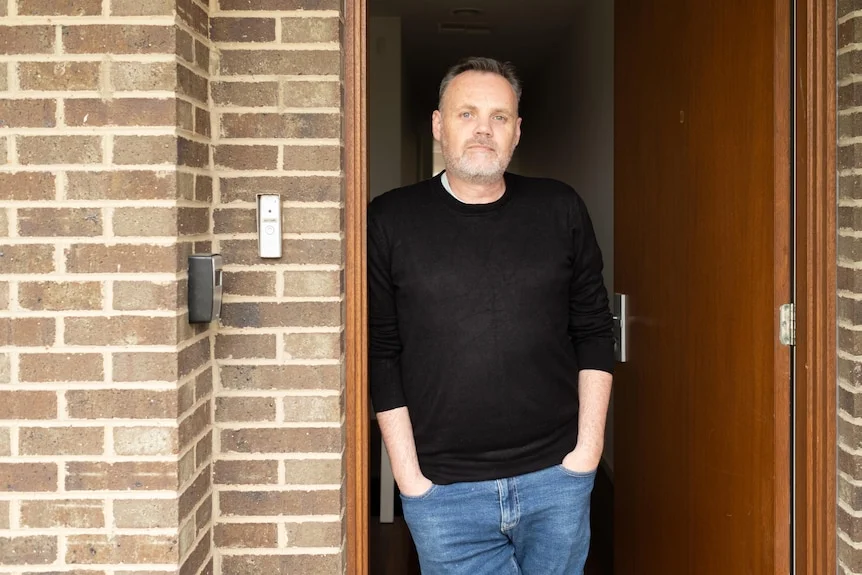
Early resolution and user concerns
A government evaluation of RDRV is not public. The ABC sought the 97-page report under freedom of information laws, but the government withheld it on cabinet secrecy grounds. The October sector memo described a mixed picture: the service was improving timeliness for some disputes and resolving “a significant proportion of matters” without formal hearings.
That account points to a genuine operational benefit, but it leaves outsiders with limited information about how the service performs across different types of disputes. Without the evaluation, readers can’t see the measures behind the government’s assessment or how outcomes vary for people with different needs. The memo offers a partial view, rather than a full public accounting of results.
The memo also identified gaps for people facing complex circumstances or significant power imbalances, alongside confusion about how RDRV fits with other dispute services. Those concerns echo findings from an Anika Legal report based on about 50 renters who had used the service. Some respondents said they felt pressured to settle or act against their interests.
Mediation depends on people understanding what they’re agreeing to and feeling able to decline an offer. When that’s unclear, a process designed to resolve matters informally can create added pressure for someone already dealing with a dispute. The sample described by Anika Legal is limited, but the issues it raises deserve attention because they concern how the process works for users.
Anika Legal said some changes had been made, but unclear communications remained a problem. “When RDRV does initially contact a renter about their dispute, the communications still do not clearly state that they are not required to participate in mediation or to make an offer of settlement,” chief executive Dale Clough said.
The Real Estate Institute of Victoria also acknowledged improvements while pointing to persistent delays. VCAT data show that new residential tenancy matters before the tribunal have dropped sharply since RDRV began, but the number of cases awaiting finalisation has risen year on year.
Those two trends measure different parts of the process. Fewer new tribunal matters may indicate that RDRV is diverting disputes or resolving them earlier, while a growing queue awaiting finalisation suggests pressure remains within the system. The figures alone don’t establish why the backlog is growing, but they do caution against treating fewer new filings as proof that renters are getting faster outcomes.
Demand is expected to keep climbing
VCAT expects more people to use RDRV as awareness spreads and economic pressure on renters and rental providers grows. A tribunal spokesperson said ongoing work on digital services, case management and early resolution pathways would support access and timeliness, while helping VCAT resolve disputes earlier.
These changes will be judged by what users experience: whether they can understand the steps, get a timely response and reach the appropriate next stage without avoidable delay. If you're working in this space, the early figures suggest that demand planning and clear communication will matter as much as the service’s ability to divert cases from VCAT.
The test is whether access leads to timely outcomes
The service’s next test is whether those operational changes can absorb rising demand without leaving users in limbo. RDRV has shifted many disputes away from new tribunal filings; its value will depend on resolving cases promptly and making the process clear for people on both sides of a rental dispute.
Here's the thing: a mediation service can reduce pressure on a tribunal only if people can reach it in time and know what participation means. This is more significant than it looks. The number of cases diverted tells only part of the story; the time people spend waiting, and whether they understand their choices, will shape whether RDRV feels like a useful route to resolution.
For now, the evidence is mixed: some matters are resolved without formal hearings, while reported waits and user concerns point to weaknesses the service still needs to address. The next phase will show whether its systems can keep pace as more renters and rental providers turn to it. A promising start, with an unsettled question.


