Families rely on embalmers to prepare their loved ones for a final goodbye, yet the people doing that work often remain unseen. Rappler’s reporting looks at the skills, emotional strain and uncertain working conditions behind the profession.
The work behind the farewell
Researcher Eirene Manatlao and Henry Luce Foundation scholar Jake Gomez examined a field burdened by stereotypes that embalmers are uneducated or unclean. The training requirements tell a different story: a high school diploma, at least 140 hours of instruction at an accredited institution, and evidence of embalming at least 10 cadavers within a year. Training includes about two months of classroom instruction followed by a month working with cadavers in funeral homes. Embalmers must also pass an exam and renew their licenses every three years.
The number of licensed practitioners is unclear. Records listed an estimated 5,000 in 2018; rough estimates today put the figure just above 6,000. Pay varies by employer. Some embalmers receive benefits in addition to minimum wage, while others charge about P1,000 per body.
The work demands care and precision. Preparing a body can take four hours or longer, depending on its condition. In interviews with two embalmers, Manatlao found that preparing babies’ remains could bring them to tears. Both interviewees were parents themselves.
Joycel Regalado put the profession’s purpose plainly: “Kung wala kami, sino ang mag-aayos ng patay?” — If we weren’t here, who would take care of the dead? Their work helps grieving families preserve a final memory of someone they love.
Power costs and weather risks
For households still managing the demands of daily life, rising electricity bills and the threat of a severe El Niño are pressing concerns. Forecasts point to a possible Super El Niño that could become one of the strongest on record and persist into early next year. Its potential effects on farmers are also drawing attention.
In the Visayas, power supply could come under strain in 2027. More than half of the region’s generation mix comes from renewable sources, but reporter John Sitchon expects multiple red alerts as demand rises and supply remains unstable. His map tracks power plants across the grid’s five island sub-grids: Cebu, Bohol, Panay, Negros, and Leyte-Samar. See the map of the Visayas energy mix.
Rooftop solar offers households one possible response to higher bills, though the upfront price can be substantial. Researcher Shay Du estimates a typical system at P80,000 to P200,000, with larger homes potentially paying more than half a million pesos.
Financing options include solar loans from the Government Service Insurance System for government employees and Pag-IBIG home improvement loans. The Social Security System is expected to offer loans for private employees by 2027.
Public spending and court appointments
Urgent household concerns don’t erase the need to track public funds and changes at the Supreme Court. President Ferdinand Marcos Jr. is expected to choose new members of the court, including a successor to Chief Justice Gesmundo, whose retirement is set for Friday, November 6. Rappler is following the candidates for the associate justice positions and the chief justice role.
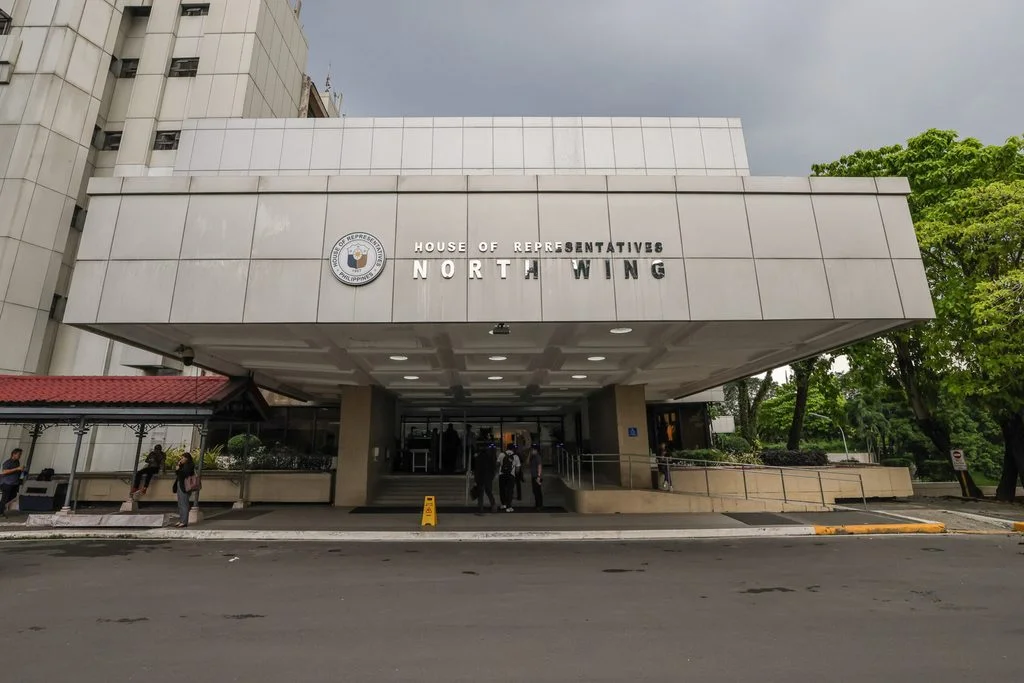
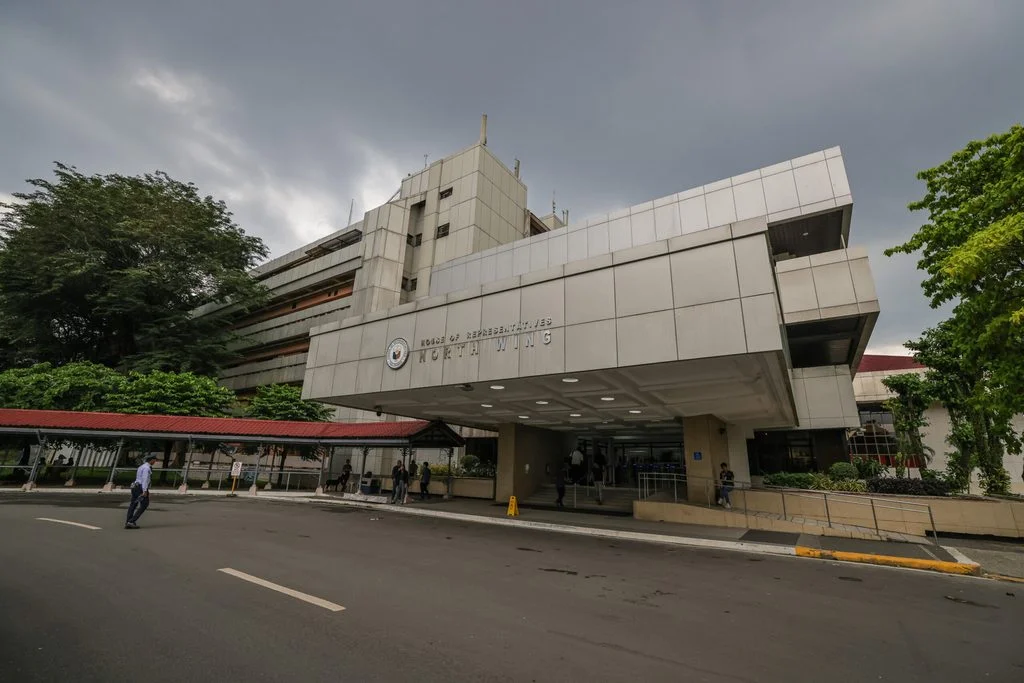
House adds P5B to its own budget. What got bigger?



– Rappler.com
Rappler Investigates is a bimonthly newsletter featuring top picks, delivered every other Thursday. Visit rappler.com/newsletters to subscribe.


