Another rate rise would land on households already cutting back
Australia’s Reserve Bank was expected to lift interest rates for the fifth time that year, with its decision due on Melbourne Cup Day. Across regional Western Australia, people were already adjusting to higher mortgage payments alongside rising food and fuel costs. The clearest signal isn’t simply anxiety about another increase: households are changing their routines and plans before any new rate takes effect.
For borrowers, each rise can flow through to repayments, though the effect depends on the loan and household circumstances. That leaves people making choices with limited room to manoeuvre. Some are seeking ways to share costs; others are cutting regular pleasures or postponing plans that once seemed attainable.
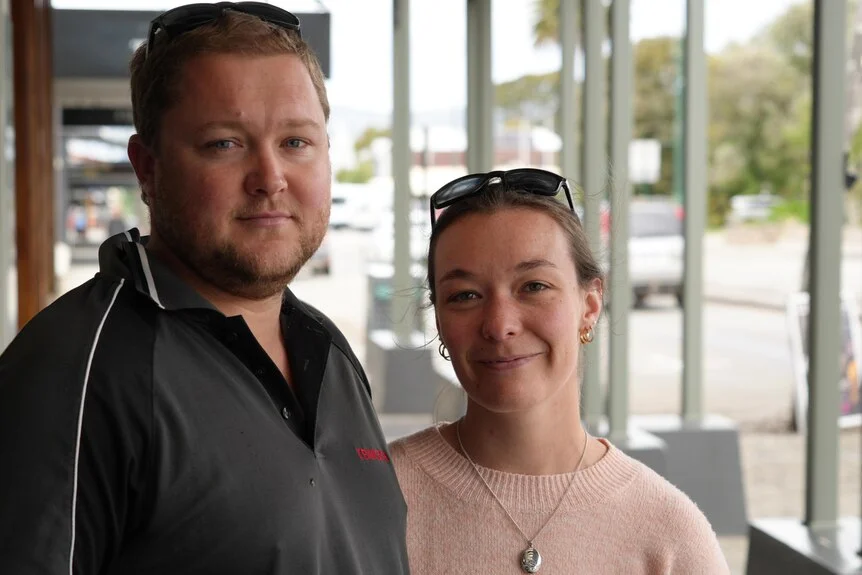
In Geraldton, 27-year-old Liam Bristow bought a home six months earlier. His mortgage had since risen by $90 a fortnight, prompting him to look for a housemate. “I was excited to live alone,” he said. He can manage the payments, but says he’s living from pay cheque to pay cheque and has saved nothing since buying the house. Four-wheel driving and working on his car are among the pleasures he’s preparing to give up.
That’s a specific trade-off: keeping the home means reconsidering the independence and hobbies that came with it. A housemate could ease the pressure, but it would also change how Bristow expected to live in the property. The numbers here are underwhelming for anyone who assumed home ownership would quickly bring more security.

For Roy Mckay, who is homeless in Geraldton and receives $600 a fortnight from Centrelink, the pressure is more immediate. He says $50 disappears during a grocery shop, while petrol and other essentials keep getting dearer. “You just can’t survive,” he said.
His account points to a different kind of exposure from Bristow’s. A mortgage holder may try to cut discretionary spending or take in a housemate; someone without stable housing has fewer options for absorbing higher basic costs. This is more significant than it looks: the same price rises can narrow choices for people who start from very different positions.
Higher rates bring different hopes for would-be buyers
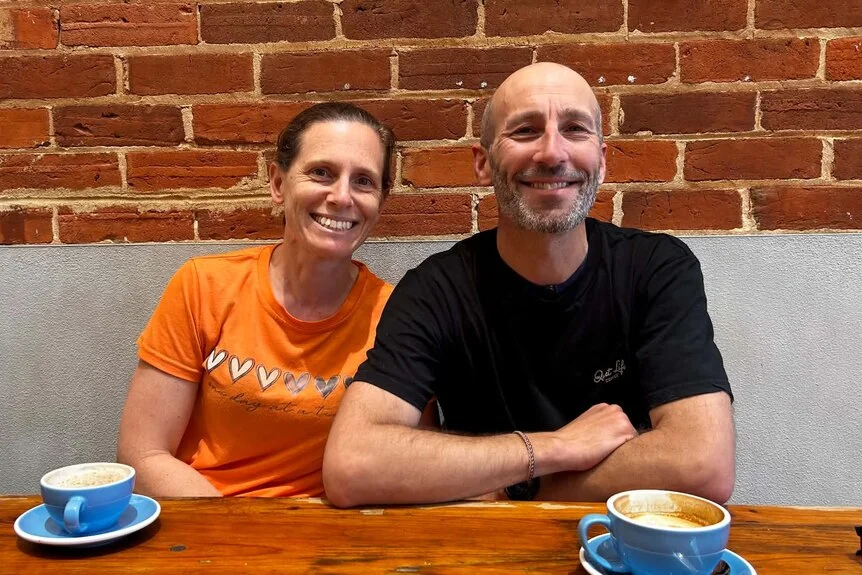
Laura and Gavin Anderson, who hope to move to Perth by the end of the following year, welcome higher rates for now because they don’t own a home. They’re betting that rising borrowing costs could push property prices down and improve their chance of buying. That outcome is uncertain, and they know higher rates can’t keep climbing indefinitely.
Their position captures the split between people paying a mortgage and people waiting to buy. Higher rates can make borrowing more expensive for prospective buyers, even if they contribute to weaker property prices. Whether the balance helps the Andersons will depend on how those forces develop, and the source offers no guarantee that a lower purchase price would offset the cost of financing it.
Meanwhile, the cost of living has already reshaped their routine. They no longer eat out and now go for coffee once a week, down from perhaps three times a week when they moved to the area two years earlier. Small cuts can look manageable in isolation, but they show how households are recalibrating ordinary spending well before a major purchase.
The extra cost of living in the Pilbara
Farther north, residents say distance brings its own price premium. Connie and Aaron Curtis moved with their young family from Sydney to Wickham, about 1,550 kilometres north of Perth, two years ago. They say they’ve run out of obvious ways to trim spending: they cut their own hair and cook at home. Connie tracks the grocery bill and notices even 50-cent or $1 increases on individual items. “I don’t see any reprieve,” she said.
The detail matters because it describes a household already paying attention to small expenses and making practical adjustments. When cooking at home and cutting your own hair are part of the routine, further savings may be harder to find without changing needs or quality of life. And this is the part most people overlook: distance can make local prices feel like a constant penalty, not an occasional spike.

Karratha retail worker Annie Duffy has a mortgage and describes another rate rise as “scary”. She moved from Tasmania to the mining town earlier that year and calls the difference in living costs “astronomical”. Locals call it the “Pilbara tax”: “everything is so much more expensive here,” she said.
The phrase sums up how residents experience the gap between living in a remote town and living elsewhere, though Duffy’s account doesn’t quantify that difference. For a mortgage holder, higher housing costs and the prospect of a rate rise can arrive together, leaving less flexibility in a budget already stretched by everyday purchases.

The squeeze is shaping younger residents’ plans, too. Halimah Barnes, an 18-year-old ranger in Broome, wants to buy a home but says affordable options in the tourist town are scarce. She lives with her parents to make ends meet, works hard to save and has cut back on going out. Renting alone, she said, is out of reach.
For Barnes, staying with family is a way to keep saving while avoiding a rent bill she can’t manage. It also shows how the route to independent housing can depend on support from parents, rather than income alone. If you’re working in this space, her experience is a reminder that affordability affects the timeline and shape of adulthood, as well as the decision to buy.

For some, even retirement feels farther away
In Narrikup, business owners Hayley and Dale Wyland say the goalposts for retirement keep shifting. They started their business three years earlier, but Dale says it’s becoming harder to earn a living; the couple aren’t taking wages, and buying a house feels impossible. Hayley says government relief feels like a finish line that keeps moving farther away.
Their account adds a longer horizon to the immediate pressure on household budgets. When a business isn’t producing wages for its owners, the strain reaches beyond spending decisions and into plans for housing and retirement. The couple’s experience doesn’t establish how common that situation is, but it shows how cost pressures can unsettle the assumptions behind starting a business and building toward later life.
What the rate decision can’t answer
The expected rate rise sits above these stories, but it won’t affect every household in the same way. Borrowers face repayment pressure; would-be buyers are weighing a possible price fall against costlier finance; and people on low incomes are confronting essentials with little room to cut. In regional communities, residents also describe distance and local prices as part of the squeeze.
The broader significance is the timing: people are already changing their lives in anticipation of further pressure. A housemate, fewer coffees, living with parents, or abandoning a hobby may each look like a personal adjustment. Taken together, they show how an interest rate decision reaches well beyond the monthly mortgage bill.
Here's the thing: a lower rate or a pause would not, by itself, resolve the other costs these residents describe. And yet the expected decision matters because it can add to uncertainty for households trying to plan around expenses they already find difficult to control. For some, the next step is a smaller budget. For others, a delayed home or retirement. A narrower set of choices.