The next step in US-Iran diplomacy may turn on the Strait of Hormuz and Washington’s naval blockade. Tehran says the waterway can’t be reopened under a final agreement until the blockade ends and Iran’s demands are addressed. That condition makes the sequence of any deal central: the two sides would need to agree not only on what changes, but on what happens first. Until then, talk of reopening the strait remains tied to a broader bargain rather than a standalone maritime arrangement.
Iranian negotiators left Doha on Sunday, November 1, after talks with Qatari mediators. An official briefed on the discussions said Monday that their departure didn’t reflect difficulties in negotiations, a distinction that leaves the state of the discussions unclear without confirming a breakthrough. A draft proposal is circulating, and another meeting remains possible; the official provided no details on its terms. For now, the public record shows that channels remain open, while the substance of any compromise is still out of view.
Tehran points to a faster timetable
Iran’s Foreign Ministry spokesperson Esmaeil Baghaei said the exchanges rest on a seven-step plan Tehran prepared in September to reopen the Strait of Hormuz and end the US naval blockade on Iran. Tehran now says the plan could be carried out faster as part of a deal. That signals a willingness to discuss timing, but it doesn’t establish that Washington has accepted the plan or that the two sides agree on what its steps require. A faster schedule could make an agreement easier to present as urgent progress; it could also leave less time to settle disputes over implementation.
Deputy Foreign Minister Kazem Gharibabadi traveled to Doha to exchange messages with Washington through Qatari intermediaries. Baghaei said Iran’s position was clear: “No final agreement can be initiated, nor can the Strait of Hormuz be reopened or secured, unless the US naval blockade is brought to an end, Iran’s demands are respected, and Iran’s legitimate requirements are addressed.” The wording sets out Tehran’s preconditions in firm terms, though it doesn’t specify which demands would need to be met or how either side would verify compliance. The gap between a clear public position and a detailed negotiating text matters: a draft can circulate while the hardest questions remain unresolved.
On Saturday, Al Jazeera quoted Foreign Minister Abbas Araqchi as saying the strait could be reopened within two days under a deal, shortening the seven-day timeline in Iran’s original proposal. US President Donald Trump rejected that initial proposal. The revised timetable may be intended to show that Tehran can move quickly if the political conditions are met, but speed alone doesn’t resolve the dispute over the blockade. The numbers here are underwhelming as evidence of progress: a shorter timetable is a change in Iran’s offer, not proof of a shared agreement.
Diplomacy amid renewed tensions
The talks are taking place as concerns grow that the conflict could escalate after Tuesday’s US midterm elections. Asked whether the vote could change Washington’s approach, Baghaei said Tehran didn’t expect elections to “give birth to a new US.” His answer frames Iran’s position as a response to US policy rather than to the fortunes of a particular election, while leaving open how Tehran expects that policy to evolve. The timing adds pressure to the negotiations, but the available statements don’t show that either side has linked a specific concession to the vote.
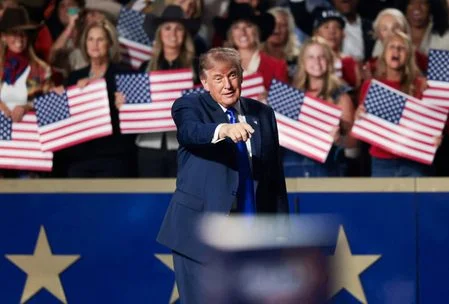
Trump has said the United States won’t launch new attacks on Iran before the vote and described talks as productive, while leaving open the possibility of further military action. Those statements point in different directions: the pledge sets a near-term limit, while the warning keeps the threat of force in the conversation. Here's the thing: calling talks productive tells readers little about whether the sides have settled the central conditions. The circulating draft and any follow-up meeting will show whether they can turn their stated positions into terms. If you're watching the negotiations, the clearest signs of movement will be specific commitments on the blockade and the timing of any reopening.
What the next exchange will test
The Strait of Hormuz is the focal point because Tehran has tied its reopening to the end of the blockade and to broader demands. That link makes the waterway more than a practical issue for negotiators: it has become a visible measure of whether a larger agreement is taking shape. Similar diplomatic disputes often hinge on sequencing, since each party may want the other to act first or provide assurances before making its own move. The statements so far establish Iran’s preferred order, but they don’t reveal whether Washington is prepared to accept it.
And this is the part most people overlook: the difference between a possible meeting and a negotiated outcome is substantial. A draft proposal can keep dialogue alive, but without its terms, it’s impossible to judge whether the document bridges the positions or simply records them. That said, the reports of message exchanges and a potential follow-up suggest the diplomatic channel hasn’t closed. A narrow opening. Whether it leads anywhere will depend on details neither side has yet made public.
For now, the outlook is conditional. Tehran has offered a faster route to reopening the strait, while insisting that the blockade end and its demands be addressed; Trump has described the talks positively but hasn’t ruled out further military action. The next meeting, if it happens, will test whether those positions can be reconciled in writing. Until the draft’s terms emerge, claims of momentum should be treated cautiously.
– Rappler.com


