Conference sets the trial’s practical terms
The ICC’s final pre-trial status conference set the practical shape of Rodrigo Duterte’s trial, scheduled to begin November 30. The opening day will include statements from the prosecution and victims’ lawyers, while the first evidence phase is expected to begin with five prosecution witnesses. The timetable also limits hearing sessions to one hour at a stretch, with breaks built into the day.
Those arrangements may look procedural, but they’ll shape how the trial unfolds: how much the parties can present each day, when witnesses appear, and how victims’ accounts are heard. The court has moved from preparation toward a public sequence of arguments and evidence, though the schedule still leaves room for decisions about courtroom language and the handling of material.
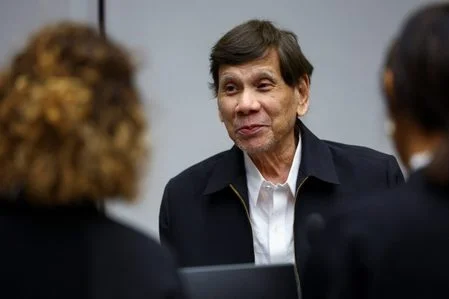
Trial Chamber III concluded the conference on Monday, November 2. Duterte, who has been detained in The Hague since March 2025, waived his right to attend, and judges approved his absence. He had appeared at earlier conferences on September 16 and October 13.
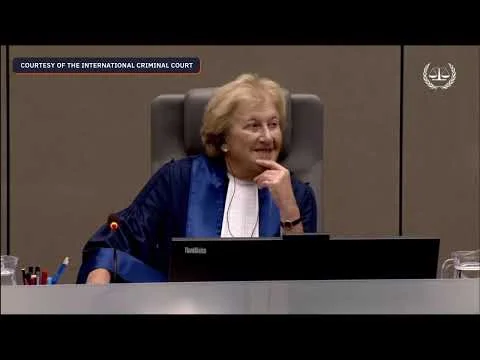
Presiding Judge Joanna Korner said the exception applied because Monday’s hearing was expected to be brief. The chamber expects Duterte to attend each day once the trial begins. That distinction gives the upcoming proceedings a different weight: a short planning session could proceed without him, while the trial itself is expected to place the accused in court throughout its daily hearings.
Opening statements and language requests
The prosecution will open the case on November 30, followed by lawyers representing victims. Prosecutors estimate their statement will take four to six hours; the victims’ representatives expect to speak for about three hours. Those estimates make the opening phase a substantial commitment of court time before the first witnesses begin presenting evidence.
Korner invited Duterte’s defense to consider giving a brief outline of its position at the start of proceedings, even though defense opening statements aren’t customary at the ICC. Defense counsel Peter Haynes said he would settle the question within days. He was more likely than not to make a statement, he said, given the case’s stature and Duterte’s position as the accused.
A defense outline would give the chamber and observers an early account of how the defense intends to approach the case. It would also mark a choice by the defense about how much to say before evidence is heard. Haynes hasn’t yet made that decision, and the court’s invitation leaves it open.
Paolina Massidda, Principal Counsel at the Office of Public Counsel for Victims, asked to deliver portions of the victims’ accounts in Tagalog. She said hearing those passages in Filipino could help victims following the proceedings connect with how their experiences are presented. The request concerns the way selected testimony would be heard, and the relationship between language and participation in a trial that will otherwise operate through the court’s working languages.
Korner pointed to the Rome Statute’s provision for English and French as the court’s working languages. She also noted that interpretation would be available and that Tagalog isn’t spoken by every victim. The request focused on quoted parts of victims’ narratives, rather than a change to the court’s working languages. That distinction leaves the court to weigh a limited language request within its existing interpretation arrangements.
Trial hours and witness sequence
The chamber’s schedule for the first evidence hearings builds in regular rest periods, following expert advice against keeping Duterte seated for more than an hour at a time. Each session runs for an hour, separated by breaks and a lunch interval. The pattern sets a firm rhythm for proceedings and makes the daily timetable part of the court’s planning for the trial.
- 10:00–11:00 am
- 11:00–11:30 am (break)
- 11:30 am–12:30 pm
- 12:30–1:30 pm (lunch break)
- 1:30–2:30 pm
- 2:30–3:00 pm (break)
- 3:00–4:00 pm
Prosecutors plan to call five witnesses in the first evidence phase. The first is expected to testify for six hours. The next two will take less time, while the final pair are each allotted four hours. These are estimates for the planned sequence, and the overall timetable will depend on how the testimony is arranged across the hearing days.
Korner asked whether witnesses appearing in person could be scheduled before those testifying by video link. Senior trial lawyer Julian Nicholls said at least 29 prosecution witnesses are expected to appear remotely. The question suggests that witness format may affect sequencing, even as the court tries to fit testimony into sessions designed around regular breaks. And this is the part most people overlook: remote testimony still has to be integrated into the same hearing structure.
Proposed 2027 calendar and evidence discussions
The parties proposed a three-stage hearing schedule for 2027, with breaks between each block. The plan groups hearings into two stretches in January and February, then a final block in March, allowing pauses between them.
- January 11–29: three weeks
- February 1–5: one-week break
- February 8–19: two weeks
- February 22–March 5: two-week break
- March 8–26: final three weeks
Nicholls said the prosecution supported keeping the week of February 22 free because it coincides with school holidays for Dutch, British and French schools, affecting people across the trial teams. The proposed pause reflects a practical constraint: a trial schedule depends on the availability of the people needed to prepare and conduct hearings, not only on courtroom time.
The parties also revisited the large body of evidence against Duterte, which had been debated at prior status conferences. Nicholls said prosecutors would meet during the week to explore agreements that could reduce the need to rely on parts of the material. If the parties can agree on some matters, that could narrow what needs to be addressed in court; the conference itself did not establish what, if anything, they’ll resolve.
What the schedule means for the trial
The conference’s decisions give the November 30 opening a clear outline, but they don’t settle every question about how the case will proceed. The defense is still deciding whether to make an opening statement, the Tagalog request raises a question about how victims’ accounts will be presented, and prosecutors are discussing whether agreements can reduce the evidence they need to rely on.
This is more significant than it looks. A trial’s structure shapes what participants can follow and how the court allocates time, especially when testimony is expected from witnesses appearing both in person and remotely. If you’re following the case, the opening statements will show how the parties frame their positions; the witness phase will begin the court’s examination of evidence.
The chamber moved into closed session several times during Monday’s conference to address confidential matters. With the pre-trial hearings complete, the next major step is the November 30 opening, when the court will begin hearing the parties’ cases and the first witness evidence. The preparation is largely set; the test now is how the planned schedule holds once proceedings begin.


