When resilience becomes an expectation
“Filipinos are resilient” can sound less like praise when resilience becomes the expected response to recurring hardship. In a survey of 800 urban Filipinos, 48% rejected the romanticized narrative of Filipino resilience. Among respondents aged 18 to 24, the share rose to 64%. That gap suggests younger adults are especially wary of treating endurance as a virtue when the problems demanding it keep returning.
The findings come from Organic Intelligence’s Pinoy, Kaya Pa Ba? study, released in October. Rejection was also more common in Mindanao, at 59%, than in Metro Manila, at 38%. Those differences point to varied experiences across age groups and regions, though the survey doesn’t establish what caused them.
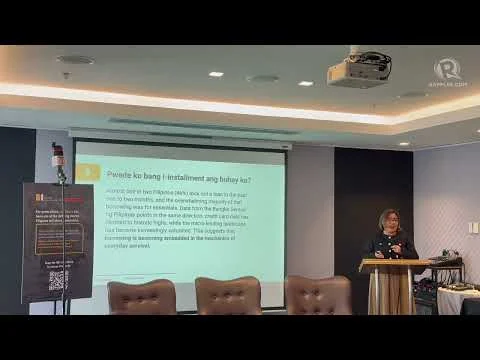
Jason Ligot, the firm’s group account director for development communication and communication design, said respondents weren’t dismissing resilience itself. They were questioning why people must rely on it through repeated crises, and why individuals carry so much of the burden. “We should be holding government and institutions to account,” he said at an October 23 press briefing. That distinction matters: praising people for coping can draw attention away from the conditions they’re coping with.

High resilience scores, little financial cushion
The survey’s Resilience Index points to a tension: scores were highest among groups reporting greater hardship. Mindanao respondents scored 86 out of 100, compared with 80 in Luzon outside Metro Manila. Respondents aged 45 to 54 scored 87, while younger adults scored 77. Lower-income respondents also tended to score higher. Read alongside the findings on attitudes, those scores may describe people’s capacity to keep going, but they don’t show how much that effort costs.
Ligot’s explanation is stark: people under greater pressure may draw more heavily on their psychological reserves because they’ve few alternatives. The financial figures help explain that strain. Although 69% expressed optimism about their finances, 44% said they lacked enough savings to get through three months without work. Another 45% said inflation had sapped their motivation to get ahead. Optimism and insecurity can coexist; one doesn’t cancel out the other.
The Philippines reached upper-middle-income status in July, but that milestone doesn’t mean households can absorb another shock. A national income classification describes the economy at a broad level, while families experience costs, savings and job security in their own budgets. At the Zero Poverty PH 2030 forum on October 16, World Bank economist Sharon Faye Piza warned that economic setbacks could push vulnerable families back into poverty. She called for better-paying jobs and stronger social protection. This is more significant than it looks: a gain in national standing offers limited reassurance to households with little room for a setback.
Borrowing covers everyday needs
For many respondents, credit is already part of the household budget. Forty-six percent had taken out a loan in the previous one to two months, and 42% of all respondents said they borrowed for essentials such as food and transport. When borrowing pays for routine expenses, it can help a household manage an immediate shortfall, while leaving less room to handle the next one.
Central bank figures show consumer borrowing is expanding. Outstanding consumer loans reached P2.84 trillion in August, up 17% from a year earlier, according to the Bangko Sentral ng Pilipinas. Credit card receivables rose 23.8%. Those figures show the scale and pace of lending, but they don’t explain why each borrower took on debt or how manageable the repayments are for individual households.
Repayment trouble is rising too. Non-performing consumer loans grew nearly 20% year over year, while bad debt reached 5.67% of all consumer loans, according to BSP data. These measures add an important qualification to the rise in borrowing: credit can bridge a gap, but missed repayments suggest some borrowers are struggling to keep up. The figures don’t identify the reasons behind that trouble, yet they make it harder to treat credit growth as a simple sign of financial confidence.
What support looks like in practice
Policy changes will take time, but the study also points to practical steps businesses can take now. When asked what would make a brand feel genuinely supportive, 27% chose a price freeze. Smaller or tingi sizes ranked next at 16%, followed by free shipping at 14% and promotional bundles at 12%. The preferences center on costs people face directly, rather than broad claims about a brand’s values.
“It has to be tangible,” said Sheila Mangila, Organic Intelligence group account director for marketing intelligence. The test for brands, she added, is whether their actions help people manage everyday needs. A discount or smaller pack may make a purchase more manageable in the moment, but the survey doesn’t show how long such measures help or whether consumers see them as lasting support.
Here’s the thing: a resilience score can describe how people respond to pressure, while saying little about whether they have savings, stable income or affordable essentials. If you’re working in this space, the useful question is what support changes a household’s choices when budgets are tight. A slogan can’t answer that. A price that holds steady, or a smaller purchase a family can afford, may offer a clearer test.
The study surveyed 800 Filipinos in urban areas aged 18 to 65 through an online panel in May 2026. Its findings may not fully capture perspectives of rural or digitally disconnected Filipinos.