A cheaper flight can still mean a costly trip to the airport
Western Sydney International Airport is set to open for commercial flights on October 25, with its new terminals welcoming travellers to a hub designed to operate around the clock. But the headline fare won’t tell the whole story. For many people across Greater Sydney, the price and time of getting to Badgerys Creek could change whether a cheaper ticket is worth buying. The airport sits 45 kilometres from Sydney’s CBD and 18 kilometres from Penrith’s centre. Rico Merkert, chair in transport and supply chain management at the University of New South Wales, says travellers should weigh the full door-to-door journey: both transit time and the cost of getting to and from the airport.“You have to account for two things, transit time and then also the cost to get to and from the airport as well,” he said.There may be pressure on airlines to keep fares down, Merkert said, because demand is currently soft. “Generally speaking, I do think that that there will be pressure on the airlines [to bring down prices] also, because the demand is currently quite soft.” That’s a useful counterweight to the airport’s promise of more choice. A lower airfare matters less if reaching the terminal adds a long, expensive leg to the trip.
More airline options, with room to fly overnight
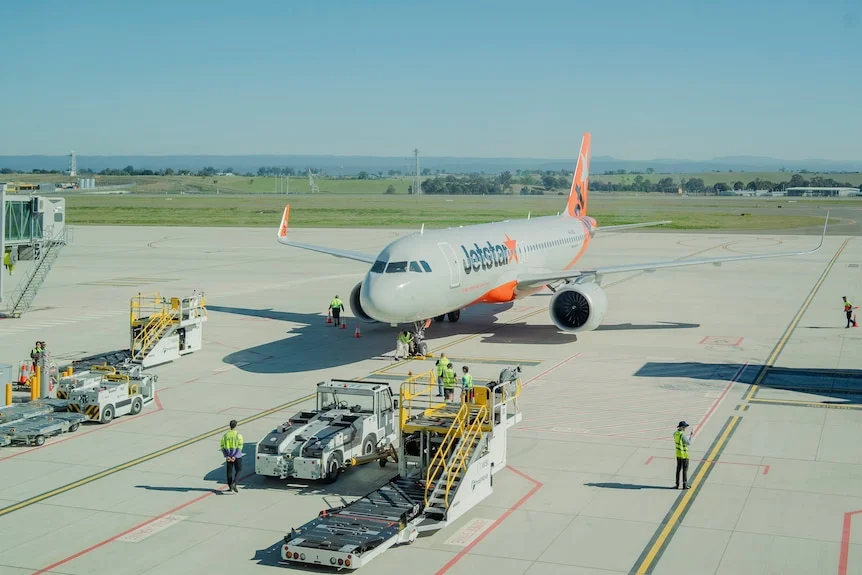
WSI will sit alongside Sydney’s Kingsford Smith Airport in Mascot, where an 11pm-to-6am curfew and tight slot allocations constrain schedules. WSI’s 24-hour operations may appeal to international low-cost carriers seeking profitable departure and arrival times.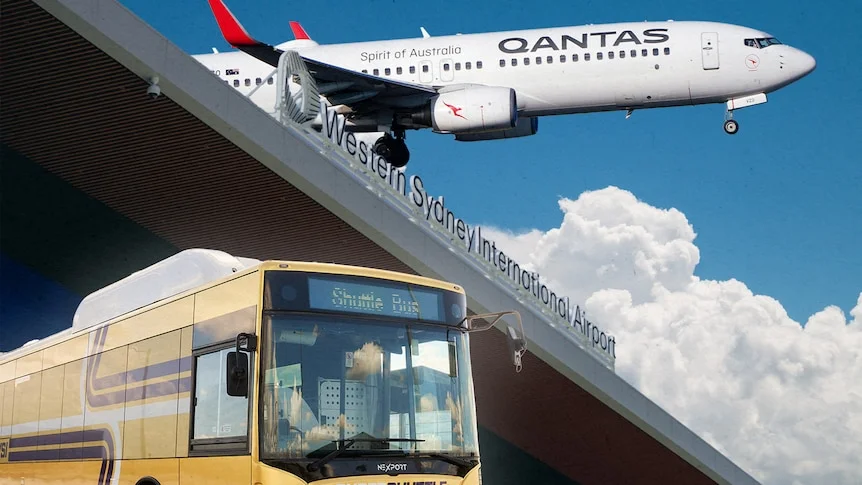
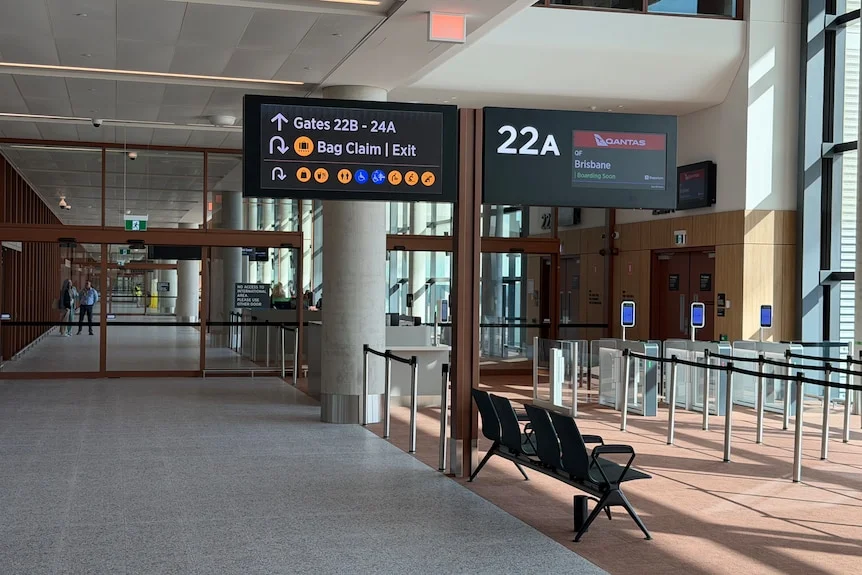
Getting to the terminal
Travellers will have three main ways to reach WSI: train, bus or car. The best option depends heavily on where the journey starts—and, for now, the train option comes with a significant catch.Train
The Sydney Metro Western Sydney Airport Line is due to be the fastest public transport connection when it opens in 2027. Until then, passengers will need to travel to St Marys, about 20 kilometres from the airport, and transfer to a free WSI Link shuttle bus. Buses are scheduled every 30 minutes, and the trip takes about twice as long as the future metro journey. Transport for NSW says that once the line is operating, passengers will be able to travel from the broader rail network via St Marys to the airport in around 15 minutes.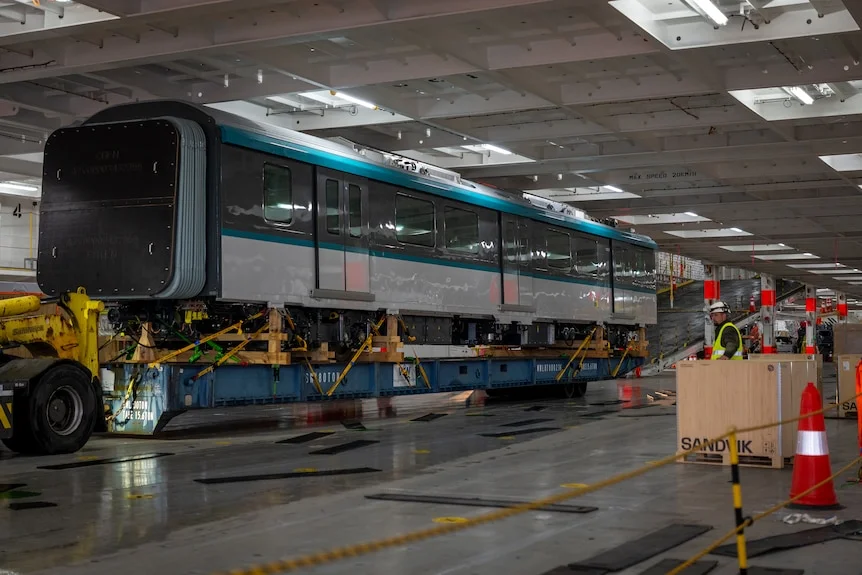
Bus
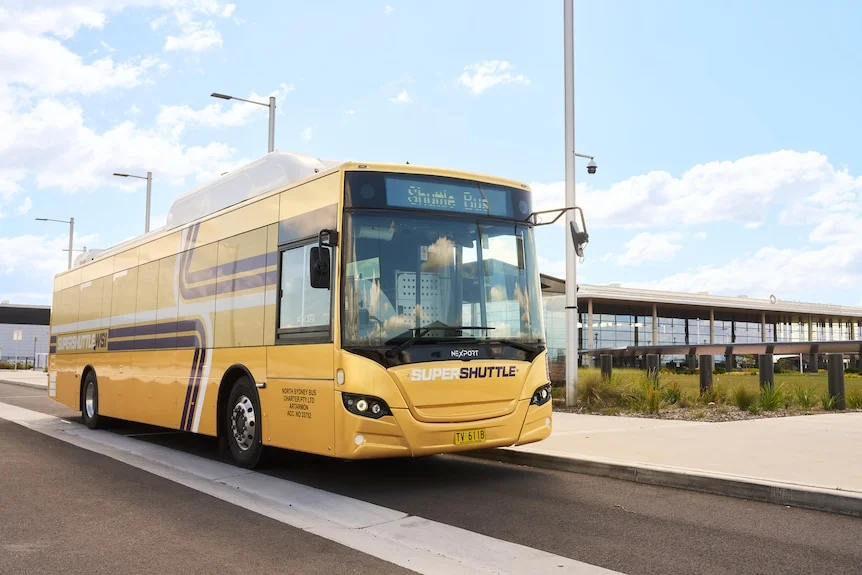
Bus services will connect the airport with Mount Druitt, Penrith, Liverpool, Campbelltown and Leppington. Depending on the route, journeys from those centres can take from 30 minutes to more than an hour. Transport for NSW’s trip planner lists adult peak fares from $5.77. Inner Sydney has no direct public transport route to WSI. Passengers starting at Central Station will need to transfer at Mount Druitt, Leppington or Penrith. The quickest listed option is a train to Penrith followed by a bus: about one hour and 40 minutes, for $10.31.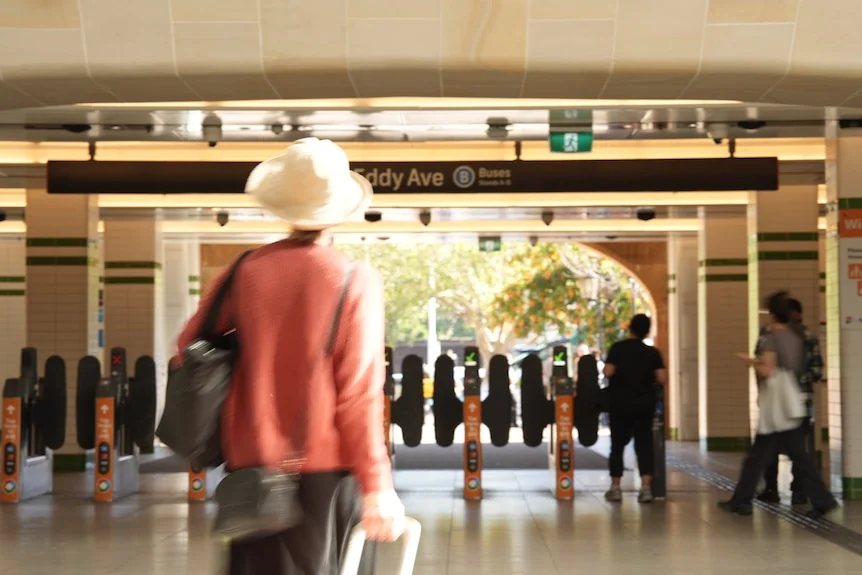
Car
For most parts of Sydney, the new toll-free M12 motorway is expected to be the fastest way to reach WSI. The airport estimates that at least a third of the city’s population will be within a 45-minute drive. It has made more than 6,000 parking spaces available to serve drivers. That reach could make the car the simplest choice for many passengers, though the airport’s estimate doesn’t tell us how long the drive will take from every suburb—or what parking will mean for the total cost of a trip.WSI’s launch parking prices offer a modest perk: visitors get three hours free, while long-stay parking costs $15 a day. Uncovered bays are $29 daily and covered bays $49. Getting to or from the airport by taxi or rideshare could add considerably more.
Sydney Airport has a fixed taxi fare to the CBD, capped at $60. WSI hasn’t announced a similar cap. A taxi ride to Penrith CBD is estimated at about $81; a rideshare may cost around $60. For some travellers, those ground transport costs could eat into any savings on airfare.

True savings might not be felt until jet fuel prices come down. (Adobe Stock)
Why the biggest airfare savings may take time
A second airport should put pressure on airfares by giving airlines more competition, Professor Merkert said. Western Sydney’s catchment is likely to benefit most. That’s the promise; the size and timing of any fare reductions remain uncertain.
Jet fuel prices are rising amid the conflict in the Middle East, and that can limit how much airlines can cut ticket prices. “Maybe the airlines will be unable to really offer super low airfares, until that conflict in the Middle East is resolved,” Merkert said.
There’s a straightforward constraint behind that caution: airlines have stakeholders and shareholders to answer to, and routes that fail to make a profit aren’t sustainable for long. If fuel prices stabilize or ease, Merkert expects fares to fall, particularly among low-cost carriers. For travellers, the competition is real, but cheaper flights may depend on conditions airlines can’t control.


