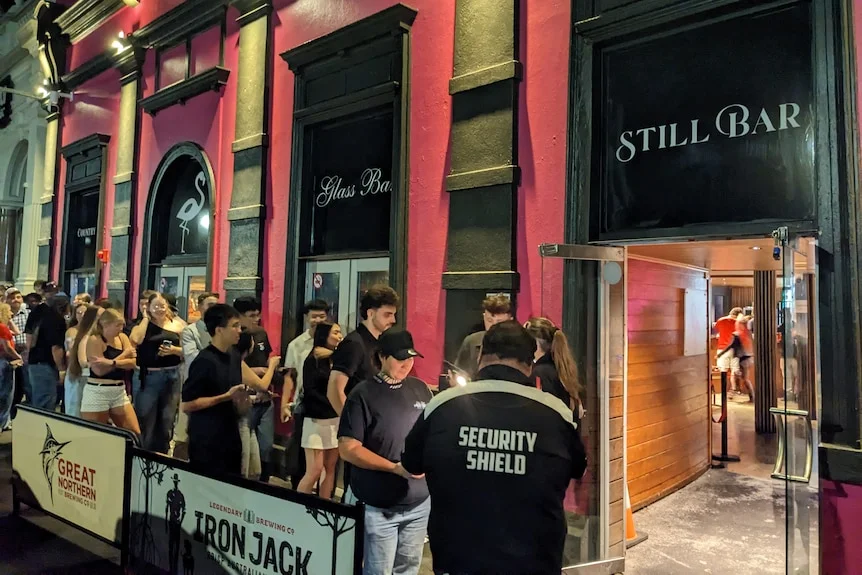
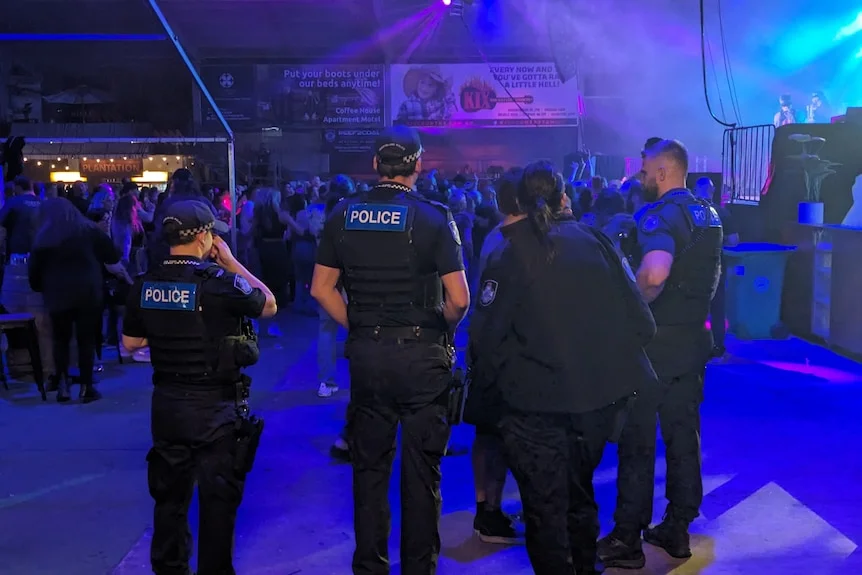
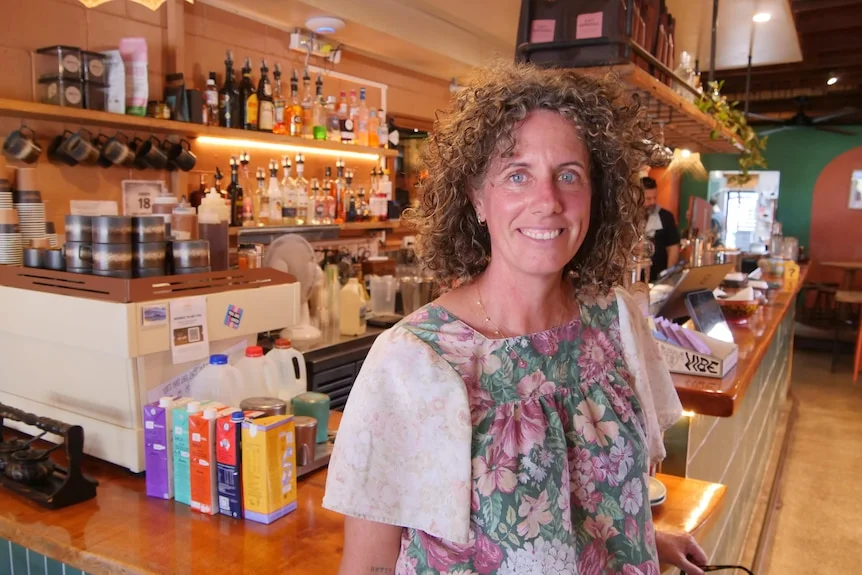
Nightlife venues turn to experiences as young people drink less
A pub can draw a crowd without putting alcohol at the centre of the night. In central Queensland, a weekly run club sends young runners to local venues for discounted meals—and gives pubs a way to reach customers whose idea of a night out is changing.
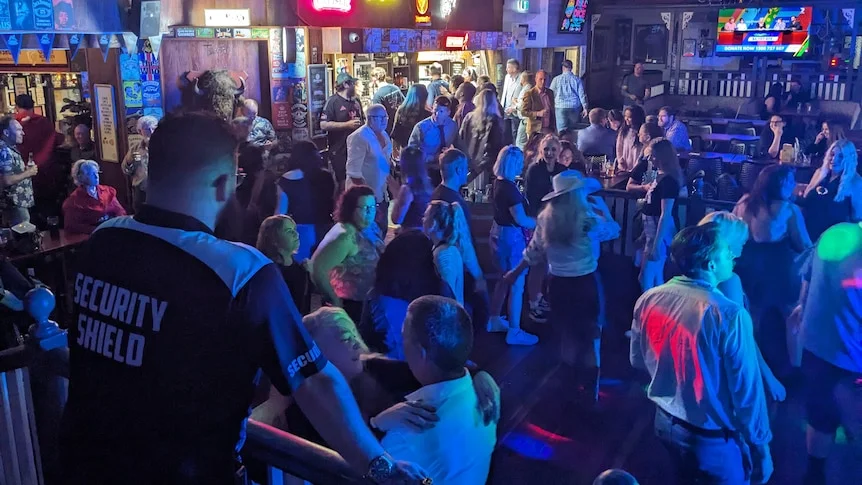
On a muggy weeknight, young people in bright activewear fill a central Queensland pub after a run. They’ve come for food and company, not a round at the bar. The club rotates among venues, where runners can claim a meal discount.
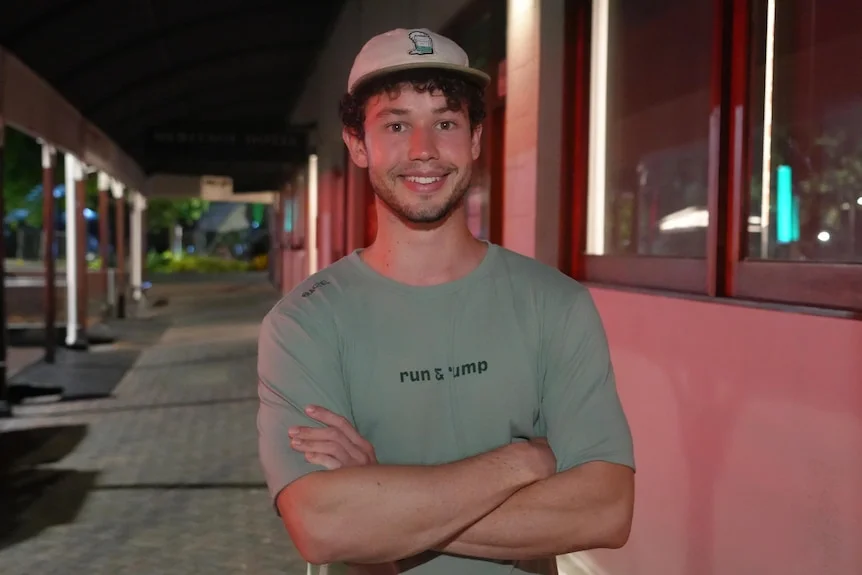
Harrison Boag, 26, says he drinks close to nothing each week. “I just enjoy being healthy and drinking wasn't helping with that, so I realised at a certain point it doesn't fit into my life,” he says.
That shift reaches beyond one customer. A Flinders University study found Generation Z is 20 times less likely than baby boomers to choose alcohol. The figure points to a real challenge for nightlife operators, though it doesn’t tell us how much lower drinking alone accounts for changes in venue revenue.
Queensland’s first nightlife economy commissioner, John “JC” Collins, says younger people are making healthier choices but spending less over the bar. Collins, a Powderfinger bassist, also points to rising insurance, supply and wage costs.

“That balance of what's gone up and the revenues coming down is really squeezing most of the venues across the state,” he says. The pressure is two-sided: less spending from some customers and higher costs to keep the doors open.
For pub owner Stephen Roberts, the response is to give people a reason to visit that has little to do with drinking. He hosts the run club at his venue once a month, drawing as many as 100 young people to what he describes as an old-school country pub.
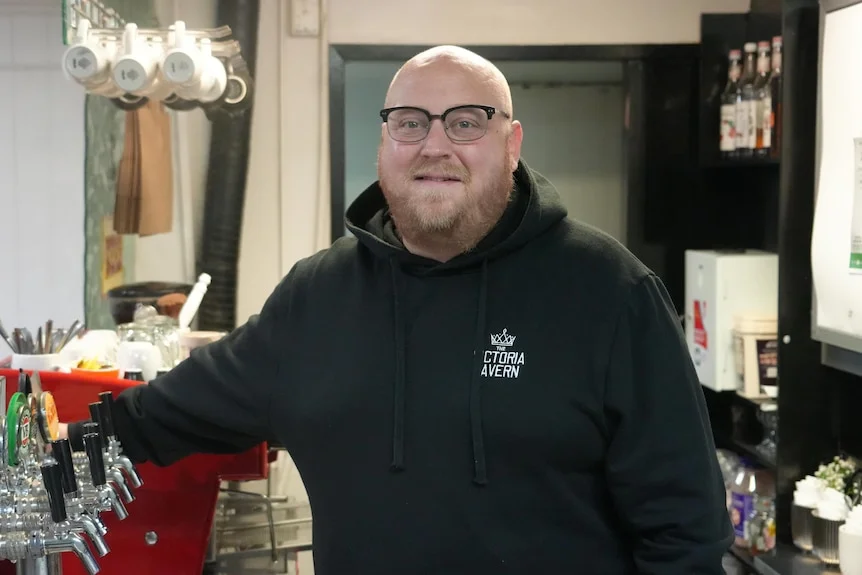
“We're sort of reaching out to a crowd that maybe we wouldn't have reached out to before [because] we're quite an old-school country-style pub,” Roberts says. “It's less about drinking now and more about socialising.”
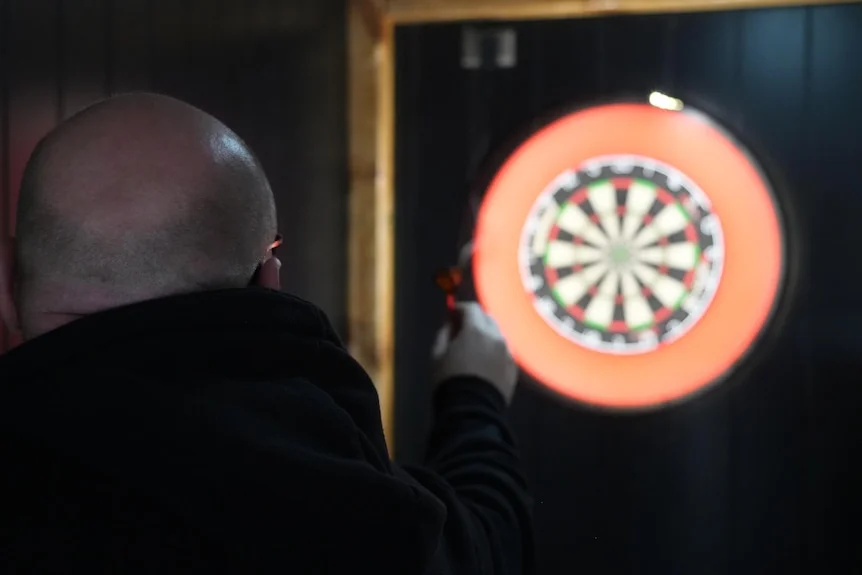
Making the venue part of the experience
The idea has a name: the “experience economy,” a term introduced in a 1998 Harvard Business Review article. The premise is that businesses can create more value by offering memorable experiences, rather than simply selling goods or services.

University of Queensland associate professor Felix Septianto, who studies consumer behaviour, says people are more likely to remember an event than the drink they ordered. “We can buy a beer or a glass of wine almost anywhere … what makes people choose to go to a venue?” he asks.
His answer is emotional as much as practical: “People don't just buy products or services, they buy the feelings.” That’s a useful way to think about why a run club, live music or a darts board might matter to a pub’s business.
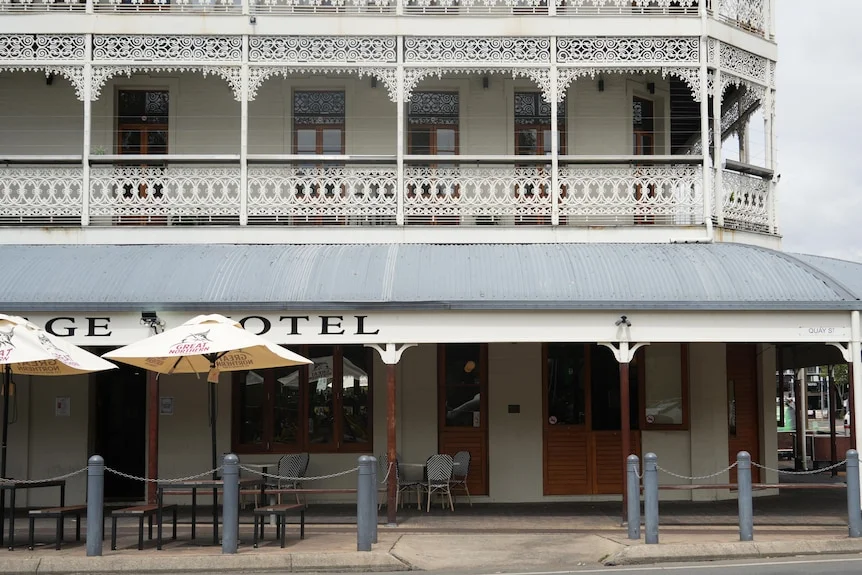
For regional venues, repeat visits matter especially because the local customer pool is smaller. Septianto says businesses can’t always count on finding new patrons; different activities and experiences can give existing customers a reason to return.
What changed after COVID?
Changing drinking habits aren’t the only pressure. The nightlife economy commissioner’s Moonside report also identifies shifts in patron behaviour after COVID lockdowns.
Jordan Baker-Moller, a former Rockhampton nightclub manager, remembers the city’s pre-pandemic nightlife as “vibrant,” with plenty of entertainment. “You had heaps of venues open just in the CBD and genuinely thousands of people out across both Friday and Saturday night,” he says.