Engineered to blend into its surroundings, the Phantom Twist drone utilizes unique motion techniques to appear as a mere haze when airborne. This prototype aims to revolutionize the way drones monitor ecosystems and inspect structures while remaining less detectable by both humans and wildlife.
The Unique Mechanism Behind Phantom Twist
Unlike conventional stealth drones that rely on visual camouflage—using materials that change their appearance—the Phantom Twist takes a novel approach by manipulating perceptions of motion. Presented at the Robotics: Science and Systems conference in Sydney, the research team led by Michael Rubenstein from Northwestern University explored whether drones could be designed around how movement is perceived rather than just focusing on their visual characteristics. This perspective shift is not just an interesting twist; it challenges existing paradigms in drone design, suggesting potential avenues for improving stealth technologies across various applications.
A Break from Tradition
The design resembles that of a spinning fan rather than a traditional quadcopter. Typical drones, with their four rotors, present a distinct profile that the eye can easily track. In contrast, the Phantom Twist consists of a single motor driving a propeller that spins while the body counter-rotates. This unique configuration enables the drone to achieve up to 25 rotations per second, moving too quickly for human perception to catch, instead creating the illusion of a mere smudge in the air. This approach is a fascinating departure from the norm, showing that creative engineering can have profound implications for surveillance and monitoring.
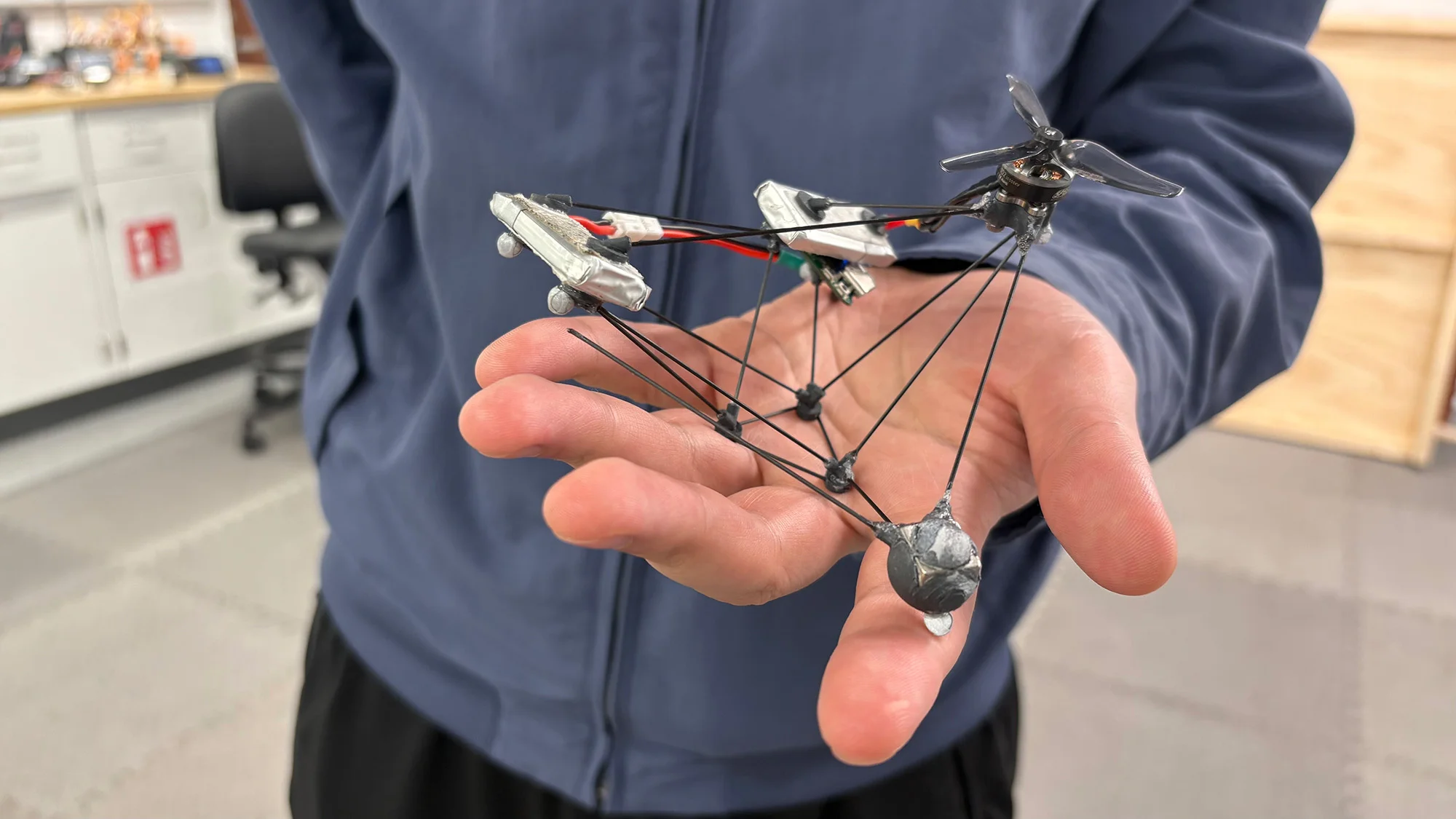
This method renders the Phantom Twist about ten times less visible than its quadcopter counterparts. Observers perceive a translucent blur instead of a clear object—a profound leap in drone technology. Achieving this design was no small feat; the team generated around 20,000 potential configurations leveraging computational models before narrowing down the designs. They employed AI tools to iteratively refine these configurations, working to minimize their visibility from various angles while ensuring aerodynamic stability. (And this is the part most people overlook: the necessity for balance between stealth and stability—a vital yet often underestimated aspect of drone design.)
Thorough Testing and Development
Through rigorous simulation, they tested each candidate against 100 different backgrounds, rating them on how well they blended into their environment. A perception model mimicking human vision was used to score designs, leading to the selection of the most effective 500, which underwent further optimization. The meticulous detail involved in this process underscores the complexity of engineering stealth into flying devices, revealing the difficulties that can arise when attempting to manipulate human perception for practical applications.
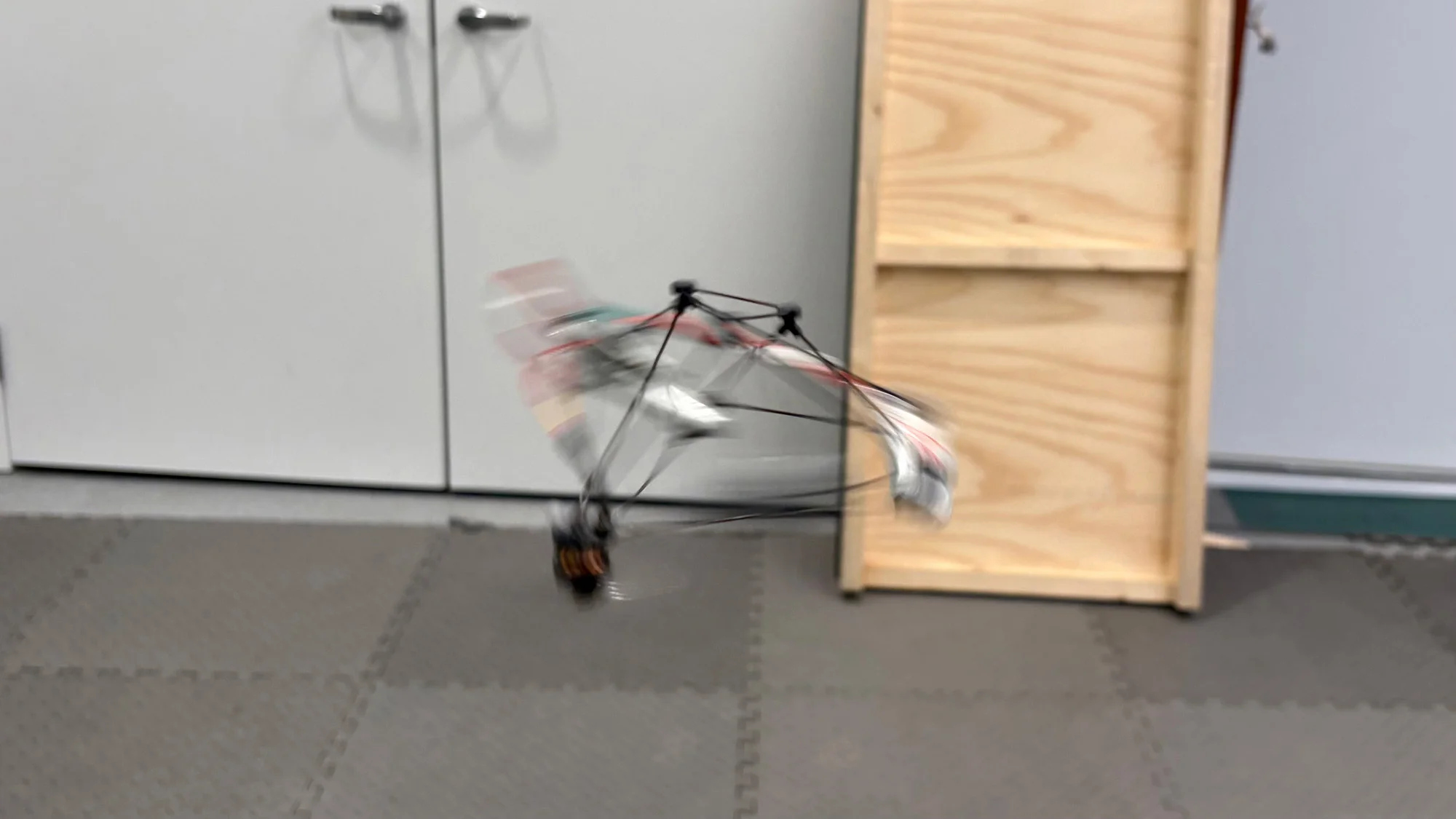
The final design is a three-dimensional assembly where components are strategically positioned to avoid forming a solid silhouette upon spinning. This careful engineering is essential for taking advantage of how our eyes integrate visual information. The implications extend beyond just drone design; similar principles could inform future technologies in optics and stealth systems, having the potential to influence various areas, including military and commercial applications.
As explained by co-author Emma Alexander, the eye can take time to register visual signals. When an object spins rapidly, the edges blur, leading to a perception of a hazy outline instead of a defined shape. This insight not only showcases a deep understanding of human vision but also opens the door to new applications in fields like virtual reality, where control over perception is crucial.
Practical Applications and Remaining Challenges
The primary uses for this stealthy drone include unobtrusive monitoring of nesting birds, surveying wetlands without disturbing wildlife, and inspecting aging infrastructure discreetly. These applications highlight the potential benefits for environmental monitoring and maintenance, especially in sensitive areas where traditional drones may cause disruption. While the Phantom Twist is a significant step forward, it still grapples with challenges such as noise generated by the spinning propeller and the visibility of supporting wires. The research team is already considering future iterations to incorporate quieter systems and more transparent materials, hinting at a promising direction for drone technology.
Future Implications and Outlook
With the Phantom Twist, we’re possibly witnessing the dawn of more sophisticated aerial surveillance techniques that could redefine how we interact with our environments. If you're working in this space, you'll want to pay close attention. The blend of perception, design, and engineering showcased in this prototype raises critical questions: What else can be achieved by thinking outside the conventional design box? The progress in this prototype serves as a tantalizing glimpse at how future technologies could evolve, suggesting a trajectory toward even greater integration of robotics and AI into environmental stewardship and maintenance tasks.


