The chair of the Independent Football Regulator in England, David Kogan, has made a firm statement regarding the integrity of the regulatory process following the guilty verdict against Manchester City for serious financial breaches. Kogan emphasized that any political manipulation related to the potential sanctions could lead him to resign.
Manchester City recently faced a finding of guilt for violating the Premier League's financial regulations. The repercussions could range from substantial fines to point deductions or even expulsion from the league. Kogan stressed that an independent panel had determined City’s operations involved inflating revenues by over $1 billion over a span of nine years, a situation that raises considerable questions about the club's financial practices.
During a discussion around the broader implications of this scandal, Kogan discarded any allegations of political influence on the regulator's work. He stated, "Any form of political interference in the way we operate is going to result in my resigning from this role, and I stand by that completely." This response came amid concerns voiced by UK Prime Minister Andy Burnham, who expressed worry about the ramifications of losing City’s current ownership but confirmed he would not directly intervene in the situation.
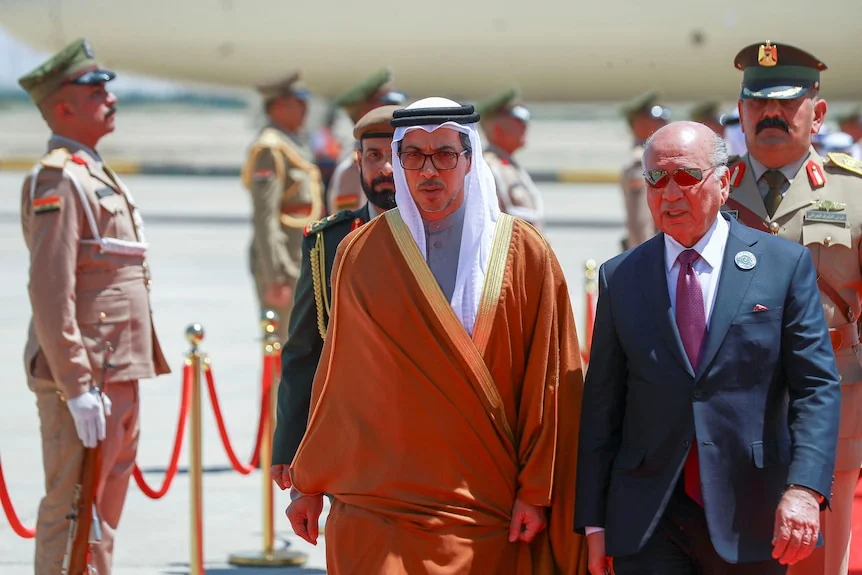
Kogan's unwavering stance is essential as Manchester City, owned by Sheikh Mansour bin Zayed Al Nahyan from the UAE, represents a significant force within English football. The club has been accused of providing misleading financial information during a period of remarkable success, characterized by the acquisition of top-performing players and multiple title wins from 2009 to 2018. This timeline forms the backdrop of what is now considered the biggest scandal in the Premier League's history.
The Independent Football Regulatory Commission was established to enforce governance within English football, and part of its responsibility includes issuing operational licenses for clubs. This process is set to begin in November, and Kogan indicated that City’s ongoing appeal against the verdict would be a significant factor when considering their license application.
"A verdict once it's gone through an appeal process will certainly be something that we would clearly be taking into account when looking at awarding a license or examining the owners, directors, and senior executives," Kogan explained.
Financial Stability Among Clubs
At a recent event in Manchester discussing the regulator's "State of the Game" report, Kogan highlighted financial instability within English football. Although the Premier League boasts tremendous global popularity, 94% of English clubs are currently operating at a loss, with more than a quarter of clubs at risk of financial failure if owner funding were to cease.
Kogan pointed out the contradiction inherent in the success of some clubs juxtaposed with the financial peril of others: "At the heart of English football's success is a massive contradiction. While some of our clubs are among the richest and most competitive in the world, others are standing on the edge of financial disaster." He urged the need for clubs to establish more resilient financial practices, stating that the status quo cannot be overlooked any longer.
The report didn't shy away from the harsh reality that some teams would still be unprofitable even if they didn't spend any money on player salaries. As noted by the regulator's CEO, Richard Monks, 17 clubs would be loss-making under such conditions.
Kogan also revealed that there have been negotiations with the Premier League and the English Football League to address the distribution of solidarity payments aimed at supporting lower league clubs. The aim is to create a more equitable financial ecosystem that can help alleviate the plight of clubs perpetually on the brink of failure.
As this situation develops, the spotlight remains firmly on Manchester City and the regulatory framework intended to govern the clubs within English football. The Commission's actions and the outcomes of appeals and potential sanctions will have lasting implications for the club and the league as a whole.


