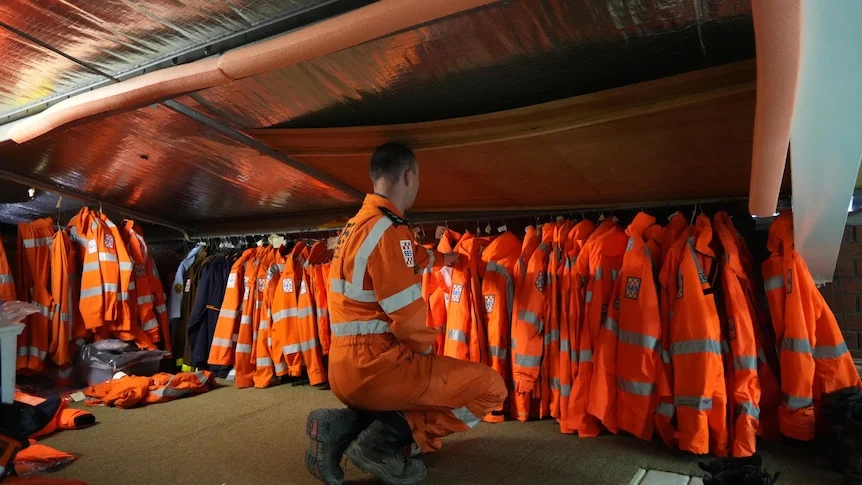
The Mildura SES Unit is urging the state government to allocate $1 million for a much-needed upgrade of its headquarters, a facility that has seen better days. Built 43 years ago, the headquarters—whose construction was influenced by the grandfather of unit controller Elliot Matotek—is described by locals as a time capsule that is no longer fit for purpose.
With a green carpet, wooden paneling, and even a hole in the ceiling, the facility has struggled to keep up with modern standards of emergency service operations. Matotek has expressed concern over the building's condition, noting that during recruitment nights, the outdated facility can be an embarrassing representation of the unit's professionalism.
"It doesn't really portray that we're professional."
The Need for Change
The proposal for the redevelopment focuses on enhanced training areas, climate-controlled offices, improved amenities, and a wellness area specifically for volunteers. Currently, personnel are left to change in cramped single toilets or in front of colleagues, which surely doesn't foster a professional atmosphere. After strenuous deployments, volunteers lack dedicated spaces to decompress, with only two couches available in a shared area. This situation not only affects morale but also risks burnout among dedicated volunteers.
Growing Operational Demands
The need for better facilities is underscored by the demand on the Mildura SES, which has responded to over 1,100 incidents from 2022 to 2026, including significant rescues and emergencies. The intensity of these incidents is compounded by climate-related factors, as seen earlier this year when Mildura experienced its wettest March day on record. This particularly taxing event brought the local SES unit’s resources to their limits, stressing the inadequacy of the existing facility.
During this exceptionally busy period, Mildura became the busiest SES unit in the state, necessitating outside SES assistance due to space constraints. Volunteers had to operate from a temporary building, which emphasizes the urgent need for facility expansion. Here’s the thing: if local emergency services can't support their essential personnel in undergoing effective training and operation, it diminishes their capability to respond effectively when duty calls.
Proposed Improvements
Design plans for the redevelopment include dedicated training spaces, private offices, a meeting room, and much-needed change facilities. Matotek highlighted that inadequate facilities might have caused a loss of potential volunteers over the years, raising the question of how many dedicated individuals might have stepped forward to serve if the environment projected a more professional image.
"It's quite embarrassing to have to rely on our other emergency service colleagues to use their facilities."
Further shining a light on this matter, during the first stage of the redevelopment, the SES unit constructed a new shed financed through a mix of community donations and governmental aid. This initial success showcases a potential pathway forward, but the urgency remains. Emergency Services Minister Paul Edbrooke acknowledged the existing issues yet indicated there's no immediate funding promise for stage two. Meanwhile, the state opposition has pledged $1 million if they win the forthcoming election, a commitment backed by local Nationals representative Jade Benham. He argued that the current headquarters does not reflect the importance of Mildura as a regional emergency services hub, and he's right. Facilities should express the value of emergency services, not detract from it.
Call for Community Support
Grassroots support for the upgrade is growing. Greens candidate for Mildura, Katie Clements, also emphasized the need for sustained funding, arguing that regional communities should not shoulder the burden of rising climate-related costs. She called for a fair share from corporations responsible for these issues to support emergency services adequately. This is more significant than it looks; regional SES units like Mildura are on the frontline of climate-induced challenges, and they need the backing of both government and industry.
As Mildura SES continues to face operational challenges, its call for funding underscores the pressing necessity to modernize facilities that directly impact the volunteers working tirelessly to support the community. If you're working in this space, it’s a reminder of how vital building conditions are to operational success. Volunteers are the lifeblood of SES units and should be met with environments that empower their mission rather than hinder it.
Future Outlook and Implications
Looking ahead, the push for funding exemplifies a larger conversation about support for emergency services, particularly as climate events become more pronounced. As communities grapple with the implications of climate change, ensuring that emergency services can adapt and respond becomes a public safety imperative. If state governments are unwilling or unable to step up, regional areas could find themselves under-prepared for future crises.
Thus, the decision on the funding request won't just affect Mildura. It will serve as a bellwether for how other regions might fare in securing support for their emergency services. The stakes are higher than just a physical upgrade; they represent the ongoing commitment to community safety and preparedness in the face of unpredictable challenges.


