In rural regions of Australia, the availability of Auslan interpreters is dwindling, creating significant challenges for deaf and hearing-impaired residents. As a response, virtual interpreting services, including apps and AI tools, are being utilized to provide access where traditional resources fall short. However, this shift raises concerns about the job security of the few remaining human interpreters. The tension between technological advancement and human employment unfolds as society grapples with modern needs versus traditional roles.
The Vanishing Supply of Interpreters
Cindy Murray, an Auslan interpreter who recently left her job, highlights the persistent demand for in-person services, particularly in regional communities. “The demand has always been there, especially for rural and regional people,” she stated. Despite this consistency, many agencies increasingly prioritize virtual options, leading to significant changes in the landscape of interpreting services. The financial realities of rural service provision are stark; agencies often neglect to cover travel expenses for interpreters, which severely hampers their availability for in-person engagements.
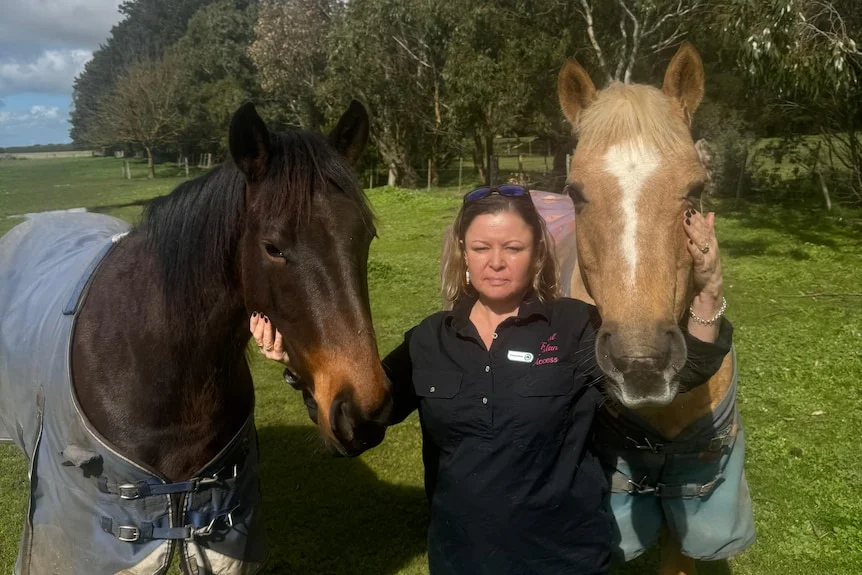
Murray recounted a troubling experience where one agency informed her of no available jobs, despite deaf clients being offered virtual interpreting options instead of securing face-to-face services. This is more significant than it looks; it highlights a crucial disconnect between the services being provided and the actual needs of the deaf community. While live captioning technology—designed to transcribe conversations in real-time—is helpful, it doesn't replicate the nuanced communication that Auslan interpreters provide. The inability of this tech to handle dynamic, back-and-forth conversations poses a substantial barrier to effective communication.
Cost Over Communication
The emergence of virtual interpreters, who can relay information through live video feeds, is often more cost-effective than traditional translators. While these advancements bring flexibility and accessibility, they pose a threat to the handful of interpreters still available for in-person services. Murray noted, “I think the lack of interpreters will continue to get worse,” indicating a grim outlook for the profession in the face of AI prevalence. Here’s the thing: while technology can open doors, it can also close them, particularly for those who rely on dedicated, skilled professionals to navigate their unique communication needs.
AI and Changing Preferences
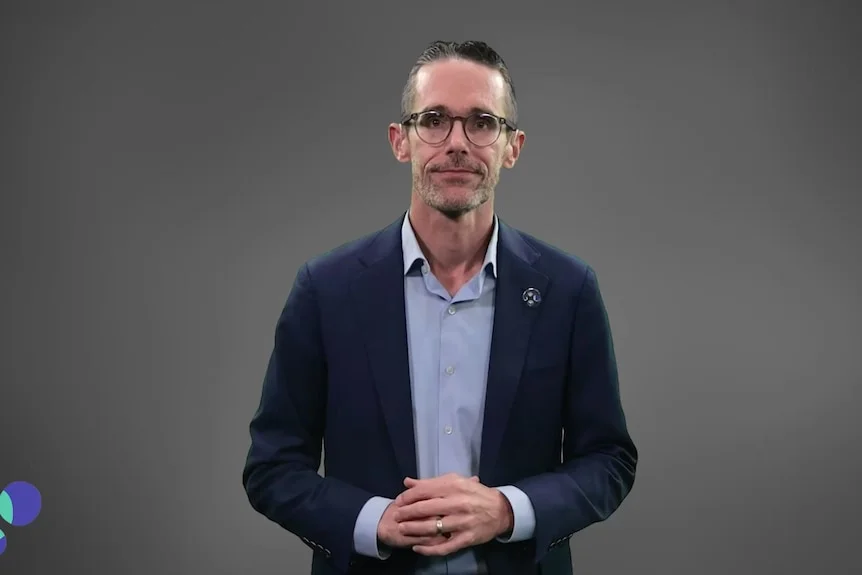
Brent Phillips, Chief Services Officer at Deaf Connect, a national Auslan service provider, acknowledges the changing dynamics in the interpreting field. His organization emphasizes prioritizing client preferences and works diligently to provide in-person interpreters when needed. “If a customer's first choice is an in-person interpreter, then we do everything possible to supply one,” he explained. But without sufficient interpreters available, that preference may not always be fulfilled.
As AI technology continues evolving, Phillips and his team actively engage in shaping future sign-language products to ensure they meet community needs. His commitment to the human aspect of interpreting shines through with his firm belief that, “AI will never replace interpreting.” This view underscores a vital aspect of communication; the subtleties, emotions, and cultural contexts that only a human interpreter can convey are irreplaceable, despite the technological advancements being made.
The Demand for Accessible Interpreting
Gary Kerridge, a Deaf Victoria regional outreach officer, elaborates on the widespread issue of insufficient interpreters, with many being frequently booked out. He noted the pressing need for viable solutions that don’t solely rely on AI technology. Kerridge helped roll out an app called Convo, designed to connect users with Auslan interpreters anytime and anywhere, while still relying on qualified human interpreters to fulfill requests. This is not just a tech fix, it’s a lifeline for many in the deaf community.
Ballarat City Council is among the organizations testing this new app, which aims to alleviate the interpreter shortage without eliminating the need for face-to-face communication. “The evidence shows this is a needed support,” Kerridge concluded, expressing a cautiously optimistic view that properly implemented solutions could have a significant positive impact. Such initiatives highlight an attempt to balance technological benefits with the necessity of human interaction.
While virtual apps and AI technologies offer exciting potential to bridge gaps in service, the industry faces a critical decision: how to strike a balance between embracing new technologies and preserving the essential human element in Auslan interpreting. If you're working in this space, the choices made today could influence the entire future of interpreting services.
Implications for the Future
The shift towards virtual interpreting services invites both opportunity and concern. The cost-saving benefits of AI and virtual tools could lead to broader access within deaf communities. However, they also risk marginalizing the human interpreters whose roles are fundamental in fostering genuine connections. The scenario poses a complex challenge for policy-makers, service providers, and the deaf community itself as they consider not just which services to expand, but who gets left behind in the acceleration toward technology.
As the industry stands at this crossroads, the growing reliance on AI raises underlying questions about accessibility, community needs, and the preservation of human employment in interpreting. The road ahead may redefine what interpreting looks like, but whether it can do so without losing its vital human touch remains to be seen.


