During the proceedings on July 29, Vice President Sara Duterte’s trial witnessed former bank officials highlighting peculiarities in her staff’s cashouts, specifically citing the encashment of extraordinarily large checks.
The Unprecedented Scale of Withdrawals
Violeta Constantino, who once managed the Shaw Boulevard branch of the Land Bank of the Philippines (LBP), noted that overseeing a P125-million check was a first in her extensive 32-year career. Such instances are uncommon in banking, where transaction sizes typically relate to business projections, personal withdrawals, or governmental budgets. Retired LBP manager Nenita Camposano echoed this sentiment, indicating that the Department of Education (DepEd) had never executed a withdrawal for a check this substantial—P37.5 million. The scale of these transactions has sparked curiosity and concern among banking professionals.
“In our view, we couldn't help but wonder: What was driving such large cash withdrawals?” Constantino expressed in Filipino. This question isn't just about a single transaction; it points to larger systemic issues within banking practices and oversight. The unexpected nature of these transactions raises suspicions about the motive behind these cashouts.
Banking Oversight and Regulatory Gaps
Senator Ping Lacson's remarks pointed out a critical aspect of Philippine banking regulations: there seem to be no classifications for “doubtful” transactions. This gap in regulation is significant. What is considered a red flag in one banking institution might not even garner a second glance in another. This inconsistency can lead to serious lapses in governance and fiscal responsibility.
The Anti-Money Laundering Council mandates banks to report transactions under specific conditions: covered transaction reports (CTRs) for cash inflows exceeding P500,000 in a single day, and suspicious transaction reports (STRs) for any transactions that raise red flags. However, the automatic nature of CTR generation raises questions about the quality of oversight being applied. While each reported transaction receives some level of monitoring, it often lacks deeper scrutiny unless manually flagged as suspicious.
A noteworthy finding came from an April report revealing 630 CTRs associated with Duterte and her husband, Mans Carpio, between 2006 and 2025, all generated automatically. This automation highlights a troubling reality: while the system is in place for monitoring, robust human oversight is nearly absent. Without a human touch to analyze unusual patterns or transactions that deviate from the norm, significant risks can be overlooked.
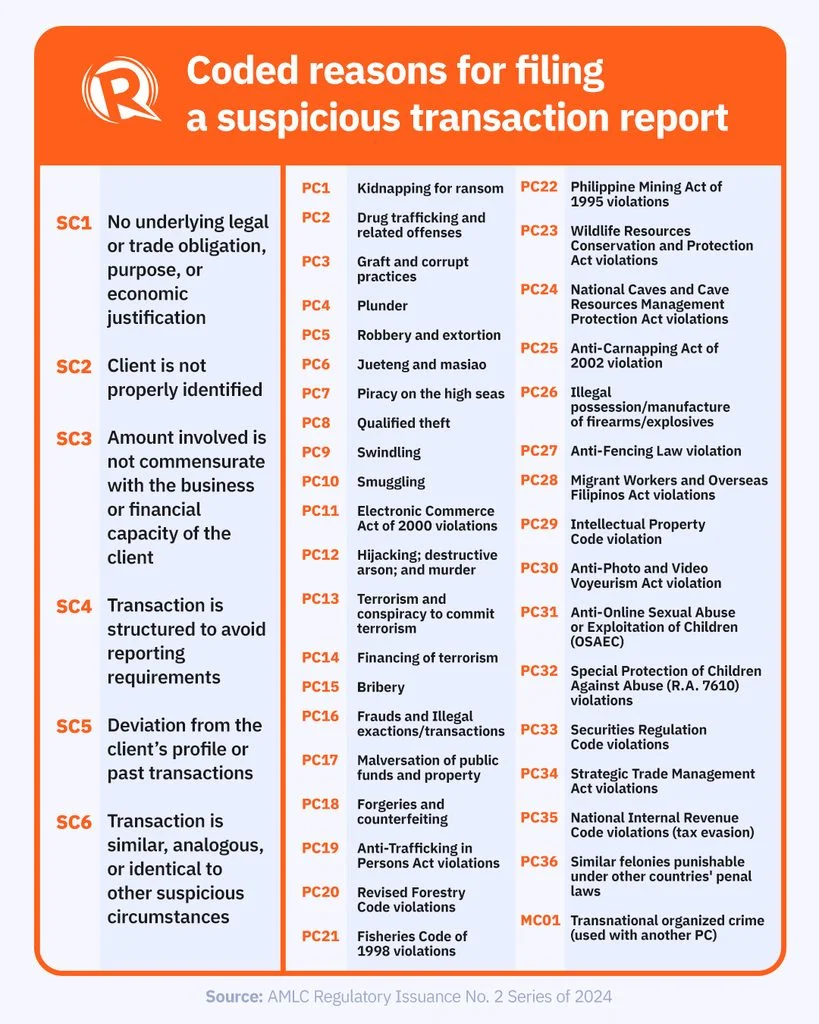
Conversely, STRs require banks to report any transactions displaying suspicious attributes, regardless of amount. These attributes include a lack of legal or trade obligations, improper client identification, or amounts inconsistent with the client’s financial profile. If you're working in this space, you know that the identifiers for suspicious transactions can often be vague, making enforcement challenging.
Significant Cashouts: Patterns of Concern
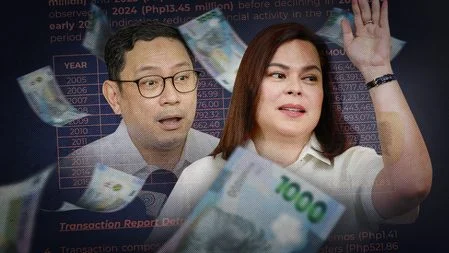
In particular, the Office of the Vice President (OVP) had the LBP Shaw Boulevard branch process four P125 million checks on dates spanning from December 20, 2022, to July 13, 2023. For the DepEd, three checks valued at P37.5 million were encashed on February 20, April 19, and July 11, 2023. The total of these transactions—P612.5 million—has raised suspicions as they align with Duterte's confidential funding allocations as OVP head and DepEd secretary. This connection may not just hint at procedural irregularities but raises alarms about the accountability and transparency of public funds. The case is part of ongoing impeachment investigations, and multiple Notices of Disallowance from the Commission on Audit have been issued regarding these funds.
While the bank officials maintained confidentiality regarding whether these cashouts had been reported to the AMLC, they indicated a lack of suspicion surrounding the transactions. Such an assertion calls into question the adequacy of the existing protocols. Are these checks and balances truly safeguarding the public interest? Or will systemic flaws allow potential issues to slip through the cracks?
These withdrawals went through standard protocols, with confirmations from Duterte's staff and adherence to processes mandated by the Department of Budget and Management. “In this case, we found no reason for doubt because we were aware that the transactions were valid,” stated Constantino. But that assurance may not sit well with citizens who demand accountability in government financial dealings.
Legal Defenses and Testimonies
Duterte’s legal defense refrained from deeply questioning Constantino during her testimony. And when they did address Camposano, they dismissed the characterization of the encashments as merely "unusual," attributing this to the bank managers' personal opinions. This dismissal of concerns about the transactions speaks volumes about their strategy, which appears to downplay legitimate questions surrounding the encashments.
According to lead prosecutor Jinky Luistro, the defense's concern about the lack of alarm within the banking community regarding these larger transactions was unsubstantiated. She stated, “The focus of the witnesses' testimonies was not merely on suspicious transactions but rather on confirming that these funds originated from the National Treasury, distributed to the respective agencies, and cashed by authorized personnel.” When viewed through the lens of public accountability, the questions remain: Are current banking practices adequate? Where is the threshold for flagging suspicious activity? And will anything change if these failures are swept under the rug? – Rappler.com
Implications and Future Outlook
The implications of these events extend beyond the immediate trial. They shine a light on the need for better regulatory frameworks governing large transactions, particularly in the public sector. There’s a pressing need for banks to adopt more stringent measures for monitoring suspicious activities, ideally leveraging technology that can flag inconsistencies faster.
What this means for you, whether you’re a policymaker, a banker, or an average citizen, is that the landscape of financial accountability may be shifting. If accountability mechanisms aren’t tightened, we risk undermining public trust in financial institutions, especially those handling government funds. As this trial unfolds, stakeholders are watching closely—many hoping for a sign that the systemic issues surrounding financial oversight will be addressed. (and this is the part most people overlook)
In an era where transparency is demanded, the outcomes of this case could prompt a reevaluation of banking norms and practices, possibly sparking broader discussions on fiscal integrity in government dealings. The spotlight is on regulatory authorities to ensure these kinds of transactions are no longer permitted to fall through the cracks.