President Ferdinand Marcos Jr. has called on Congress to revise the Ecological Solid Waste Management Act, also known as Republic Act No. 9003, to integrate modern waste management approaches, including waste-to-energy (WTE) technologies. During his fifth State of the Nation Address on July 27, Marcos emphasized the need to enhance waste disposal methods in light of escalating environmental challenges.
Context of the Call for Revision
Marcos's request isn't happening in a vacuum. The Philippines has faced an ongoing waste management crisis that's been intensifying for years. Urban areas like Metro Manila struggle with overflowing landfills, contributing to pollution and public health issues. The Ecological Solid Waste Management Act was first enacted in 2000, aiming to promote environmentally sound waste management practices. However, as population density and waste production have surged, many argue the 23-year-old law is outdated.
When Marcos stated, “Kailangan pa rin nating iwasto ang ating pamamaraan sa pagtapon ng basura” (We still need to fix our waste disposal methods), he highlighted a growing consensus across governmental and civic sectors. The integration of modern techniques such as waste-to-energy technologies promises to revamp systems that have largely remained stagnant. Typically, such technologies can transform waste into energy through various processes, including incineration and anaerobic digestion, which could significantly alleviate strain on existing landfills.
Connecting Waste Management to Broader Environmental Issues
Marcos didn't just stop at waste management; he connected it to the broader issues of flooding that plague urban Philippine environments. Poor waste management has been directly linked to clogged drainage systems, which exacerbate flood risks during heavy rains—an all-too-common scenario in cities like Manila. When waste is improperly disposed of, waterways become obstructed, leading to flooding that can devastate communities and infrastructure.
In light of this, the president's remarks underscore the interconnectivity of environmental issues. For municipalities dealing with flooding, effective waste management strategies could be a crucial part of a long-term solution. This is where the initiatives from the Metropolitan Manila Development Authority (MMDA) come into play. They've initiated waste recovery and processing projects aimed at cleaning up solid waste while also generating energy. These initiatives can serve as important templates for other urban areas struggling with similar issues.
Controversy Surrounding Waste-to-Energy Solutions
Despite the government's pro-WTE push, it’s not all smooth sailing. Strong opposition persists among environmental advocates who express concerns about public health and safety risks associated with incineration technologies. Opponents argue that WTE facilities can emit harmful pollutants, and their long-term environmental impact is uncertain. The existing prohibition of WTE technologies under current laws indicates a robust skepticism around these methods, often rooted in fear of the unknown. This controversy complicates the path ahead for any proposed amendments to the Ecological Solid Waste Management Act.
It brings to light a fundamental challenge policymakers often face: balancing environmental sustainability with public acceptance and health. The government can advocate for new technologies, but if public trust is lacking, implementation may stall. There’s a real need for transparent dialogues that consider community concerns while outlining the benefits of a modernized waste management process.
Key Proposals and Developments
There are already significant proposals being considered for waste-to-energy facilities, including a 100-megawatt plant in Tondo, Manila. This facility aims to convert municipal waste into energy, promising a dual benefit: reducing landfill overflow and generating usable power. Another proposal includes a large-scale facility in New Clark City, estimated to cost around P4 billion. Such proposals highlight an increasing interest in the idea of turning waste into a resource.
The formalized WTE agreement between the MMDA and the Department of Energy earlier this year adds a layer of institutional support for these developments. However, the path forward depends on legislative amendment. If Congress moves ahead with the proposals, these facilities may soon become a part of the waste management framework in the Philippines, though it likely won't come without pushback.
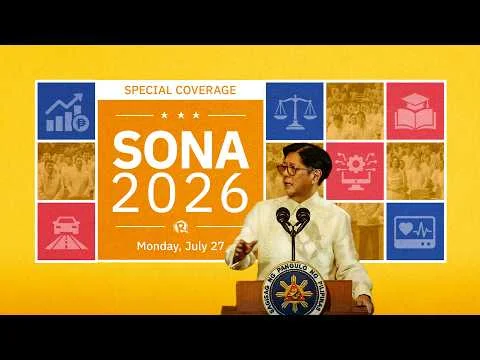
– Rappler.com
Future Implications of Amendments
If Congress acts on Marcos's call to amend the Ecological Solid Waste Management Act, the implications could be profound. You'll likely see transformations in how waste is processed across the Philippine archipelago, potentially leading to reduced landfill waste and increased energy production. (and this is the part most people overlook) However, the potential health and environmental trade-offs must not be ignored. Striking a balance will be key to garnering public support.
What this means for you, if you're working in this space or living in urban areas affected by these policies, is that you may soon see changes in waste management systems that directly impact your daily life. Still, the skepticism surrounding WTE technologies won't vanish overnight. Continuous public engagement and education will be crucial for fostering acceptance and collaboration moving ahead. That said, the road to effective waste management in the Philippines remains muddy—full of challenges yet brimming with potential solutions.


